Architectural blueprints and drafting tools on travertine surface with drafting pencil and triangle ruler
Back to Home

The Archive

Architect Biographies

Learn about the architects and firms who built Los Angeles. Their remarkable contributions to the city's built environment are only one part of their stories.

169 architects

A. C. Martin & Associates

1906–present

Modern / Corporate International

A. C. Martin & Associates stands as one of the most enduring and influential architectural firms in Southern California history. Founded in 1906 by Albert C. Martin, Sr., the firm evolved into a multi-generational powerhouse that significantly shaped the Los Angeles skyline and urban landscape. Following World War II, the firm expanded under the leadership of Albert C. Martin, Jr. and John Edward Martin, transitioning from early civic and religious projects to large-scale corporate and commercial developments. Known for its adaptability, the firm has successfully navigated shifting architectural trends, moving from the ornate detailing of early 20th-century structures to the stark, modern lines of mid-century skyscrapers. Today, the firm continues its legacy as a research-based practice, emphasizing sustainable, user-focused design solutions that address the complex needs of the 21st-century urban environment while maintaining its deep-rooted connection to the development of Los Angeles.
Notable: DWP Building, ARCO Plaza, St. Basil ChurchWebsite

Albert C. Martin, Sr.

1879–1960

Beaux-Arts / Classical Revival

Albert C. Martin, Sr. (1879–1960) was a foundational figure in Southern California architecture and engineering. Arriving in Los Angeles in 1904 with a degree in architectural engineering from the University of Illinois, he quickly established himself as a vital contributor to the city's rapid growth. In 1906, he founded his eponymous firm, which became responsible for many of the region's most iconic landmarks, including Los Angeles City Hall and the May Company Wilshire. His work spanned a diverse range of typologies, from grand civic buildings and theaters to numerous Catholic churches throughout the Los Angeles area. Martin was recognized not only for his technical proficiency as a structural engineer but also for his ability to define the aesthetic character of a burgeoning metropolis. His legacy persists through the firm he established, which remains a cornerstone of the Los Angeles architectural community.

Notable: Million Dollar Theatre, May Company BuildingWikipedia

Anthony Lumsden

1928–2011

Late Modern / High-Tech

Anthony J. Lumsden (1928–2011) was a visionary architect whose work fundamentally altered the appearance of modern skylines. Born in England and raised in Australia, Lumsden earned his degree from the University of Sydney before relocating to Los Angeles, where he became a pivotal figure at the firm Daniel, Mann, Johnson & Mendenhall (DMJM). He is best known for pioneering the use of smooth, seamless glass membrane skins on commercial buildings, a technique that replaced traditional mullions and transformed the aesthetic of the modern office tower. His signature style is exemplified by the undulating Roxbury Plaza in Beverly Hills, which showcases his mastery of glass as a sculptural element. Throughout his career, Lumsden received over thirty architectural awards and held teaching positions at prestigious institutions including USC, UCLA, and SCI-Arc, leaving a lasting impact on both the built environment and architectural education.

Notable: Roxbury Plaza, Beverly Hills Hotel renovationWebsite

Antonio Cruzado

20th century

Eclectic / Regional Modern

Father Antonio Cruzado (1725–1804) was a Franciscan missionary and architect who played a pivotal role in the early development of Southern California's built environment. Trained in Cordoba, Spain, he is best known for designing the Mission San Gabriel Arcángel, founded in 1771. Cruzado's design for the mission is distinguished by its unique Moorish architectural influences, featuring capped buttresses and tall, narrow windows that set it apart from other California missions. Beyond his architectural contributions, he was a significant figure in the region's agricultural history, credited with planting the first orange grove in California. His legacy remains embedded in the mission's structure, which stands as a testament to the Spanish colonial era and the foundational history of the Los Angeles area.

Notable: Various Los Angeles residences

Armet & Davis

1947–present

Googie / Space Age

Established in 1947 by Louis Armet and Eldon Davis, the firm of Armet & Davis became synonymous with the exuberant Googie architectural style that defined mid-century Southern California. Both partners were graduates of the USC School of Architecture and initially intended to focus on industrial design. Instead, they gained international acclaim for their innovative, space-age coffee shops and restaurants, including iconic locations like Pann's and the original Norms Restaurants. By integrating car culture with futuristic, eye-catching forms, the firm helped transform Coffee Shop Modern into a major popular style. With over 4,000 buildings designed across the region, their work remains a defining symbol of post-war American optimism and a critical component of Los Angeles' unique commercial architectural legacy.

Notable: Pann's Restaurant, Norm's Restaurant

Arthur & Alfred Heineman

1890s–1940s

Arts & Crafts / Bungalow

Brothers Arthur and Alfred Heineman were influential Southern California architects who helped shape the region's architectural identity during the early 20th century. Though they lacked formal architectural training, they transitioned from real estate into design, becoming leading figures in the Arts and Crafts movement alongside the Greene brothers. Their prolific portfolio includes significant residences in Mission, Moorish, and Exotic Revival styles, such as the Hindry House, the J.R. Dennison House, and the Samuel Goldwyn House. Arthur Heineman is also historically noted as the architect of the world's first motel, the Milestone Mo-Tel. Their legacy endures through their exemplary residential work, which remains a vital part of the historic architectural ecosystem that defines the character of Pasadena and Los Angeles.

Notable: Bowen Court, Pasadena residences

Arthur Silvers

1920s–1990s

Modern / Civic

Arthur Silvers was a prominent modernist architect and a key partner in the firm Kennard and Silvers, one of the early Black-owned architecture practices in Los Angeles. Emerging in the post-World War II era, Silvers' work represented a deliberate departure from traditional European influences, favoring a modernist approach inspired by the designs of Richard Neutra and Victor Gruen. His practice contributed to the evolution of Los Angeles architecture by embracing clean, modern aesthetics. Beyond his design work, Silvers was a dedicated advocate for diversity within the profession, serving as the Historian and Parliamentarian for the National Organization of Minority Architects (NOMA) during the 1970s. His career reflects a commitment to both architectural innovation and the advancement of minority representation in the field.

Notable: Broadway Federal Savings Building

Austin, Field & Fry

1900s–1940s

Beaux-Arts / Classical

Austin, Field & Fry was a notable architectural firm that contributed significantly to the institutional and residential landscape of Southern California. The firm was part of the professional architectural fabric of Los Angeles during the mid-20th century, a period characterized by rapid urban growth and the development of distinct regional styles. While the firm engaged in various project types, their work often reflected the evolving needs of the growing metropolis, balancing functional requirements with the aesthetic sensibilities of the time. As part of the broader architectural community in Los Angeles, their projects helped define the city's mid-century built environment. Their legacy is preserved through their contributions to the historic places of Los Angeles, reflecting the collaborative spirit of the era's architectural practices.

Notable: Griffith Observatory, Los Angeles City Hall

Craig Ellwood

1922–1992

Mid-Century Modern / International

Craig Ellwood, born Jon Burke, was a prominent figure in Southern California mid-century modernism despite lacking formal architectural training. A self-taught designer with a background in construction and cost estimation, he became famous for his minimalist, steel-and-glass residential structures. His work was deeply influenced by his collaboration with John Entenza and the Case Study House program, which showcased his mastery of horizontal planes and prefabrication. Often called the 'Gary Grant of architecture' for his charismatic persona, Ellwood's legacy is defined by his precise, elegant aesthetic that epitomized the 1950s and 1960s Los Angeles lifestyle. His notable projects, often realized with associates like Jerrold Lomax, remain iconic examples of the era's industrial-inspired residential design, cementing his status as a visionary of the California modern movement.

Notable: Case Study Houses 16, 17B & 18, Art Center College of DesignWikipedia

Richard Neutra

1892–1970

International / Mid-Century Modern

Austrian-born Richard Neutra was a pivotal force in establishing the Southern California modernist aesthetic. After training in Vienna and working briefly with Frank Lloyd Wright, he settled in Los Angeles, where he developed a signature style characterized by expansive glass walls, floating planes, and a seamless integration of indoor and outdoor spaces. His groundbreaking projects, such as the Lovell Health House and the Kaufmann Desert House, utilized innovative materials to dissolve boundaries between architecture and landscape. Neutra's work, often captured by photographer Julius Shulman, defined the 'California look' for a global audience. His legacy persists through his influential residential designs and his commitment to creating environments that harmonized human experience with the natural world, leaving an indelible mark on the region's architectural fabric.

Notable: Kaufmann House, Lovell Health House, VDL Research HouseWikipedia

Frank Lloyd Wright

1867–1959

Organic / Prairie / Textile Block

Frank Lloyd Wright, a titan of American architecture, left a distinct imprint on Southern California through his experimental residential work. Moving away from his earlier Prairie School style, he embraced the region's unique topography and climate by developing the 'textile block' system. This innovative method, utilized in iconic Los Angeles residences like the Sowden and Samuel-Novarro houses, featured patterned concrete blocks that created intricate, textured facades. Though his time in the region was marked by stylistic departures, his influence on the development of modern residential architecture in Los Angeles remains profound. Wright's legacy is defined by his relentless pursuit of organic architecture, where buildings are designed to exist in harmony with their environment, forever altering the trajectory of 20th-century design.

Notable: Hollyhock House, Ennis House, Freeman HouseWikipedia

Rudolf Schindler

1887–1953

Modern / Expressionist

Rudolf Schindler was a pioneering modernist architect whose work in Southern California challenged traditional notions of residential design. After arriving in the United States and working with Frank Lloyd Wright, he established his own practice in Los Angeles, where he became known for his radical, space-oriented approach. His signature style emphasized the manipulation of light, volume, and unconventional materials, often resulting in structures that felt both sculptural and deeply integrated into their sites. The Kings Road House, which he designed as a communal living and working space, stands as a testament to his innovative spirit. Schindler's legacy is that of an uncompromising visionary whose residential projects pushed the boundaries of modernism, influencing generations of architects with his unique, site-specific, and highly expressive design philosophy.

Notable: Schindler House, Lovell Beach HouseWikipedia

Paul R. Williams

1894–1980

Classical / Modern / Regency

Paul R. Williams was a prolific and versatile architect who profoundly shaped the landscape of Southern California. Known as the 'architect to the stars,' he designed over 3,000 buildings, ranging from opulent celebrity estates in Bel Air to essential public housing and civic landmarks like the Theme Building at LAX. Williams was celebrated for his ability to blend various historical styles with a modern, relaxed elegance that defined the glamour of mid-century Los Angeles. Despite facing systemic racial barriers, he achieved immense professional success and became the first African American member of the AIA. His legacy is one of extraordinary technical skill, social impact, and an enduring commitment to excellence, leaving behind a diverse body of work that remains central to the region's architectural identity.

Notable: LAX Theme Building, Beverly Hills HotelWikipedia

Pierre Koenig

1925–2004

Case Study / Steel Frame Modern

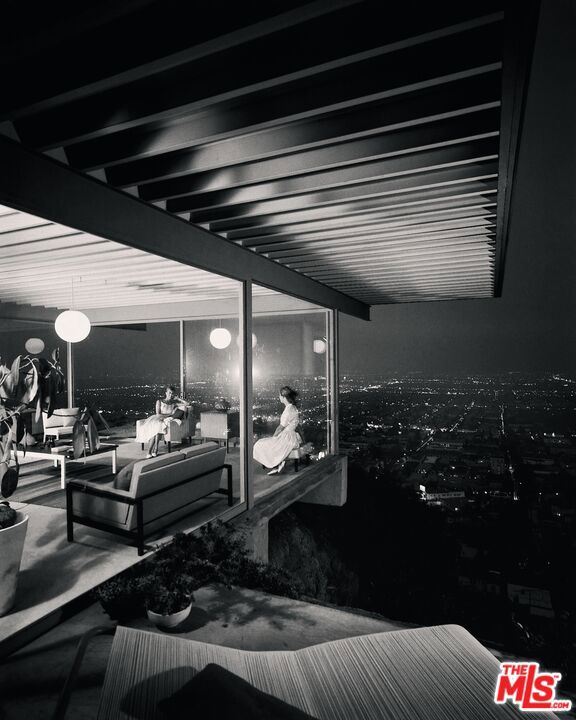
Pierre Koenig was a pivotal figure in California Modernism, celebrated for his mastery of industrial materials in residential design. A graduate of the University of Southern California, Koenig interned with Raphael Soriano and Edward Fickett before establishing his own practice. He is best known for his contributions to the Case Study House program, specifically the Bailey House (#21) and the iconic Stahl House (#22), which utilized steel-and-glass construction to create seamless, cantilevered connections between interior spaces and the Los Angeles landscape. Devoted to economical, prefabricated, and naturally ventilated structures, Koenig's work defined the postwar suburban ideal. Beyond his architectural practice, he was a dedicated educator, teaching at the USC School of Architecture for four decades, leaving a lasting legacy of technical innovation and structural transparency.

Notable: Stahl House (CSH #22), Bailey House (CSH #21)Wikipedia

John Lautner

1911–1994

Organic Modern

John Lautner was a visionary architect renowned for his organic, site-specific residential designs that pushed the boundaries of mid-century modernism. After apprenticing under Frank Lloyd Wright at Taliesin, Lautner established his practice in Los Angeles, where he spent 55 years creating over 200 projects. His signature style blended fantasy with minimalism, characterized by dramatic cantilevers, sweeping rooflines, and the innovative use of monolithic concrete and glass. Iconic works such as the Chemosphere, the Sheats-Goldstein Residence, and Silvertop demonstrate his commitment to integrating human experience with the natural environment. Eschewing architectural orthodoxies, Lautner's work remains a symbol of Southern California's pioneering optimism, and his legacy is preserved by the John Lautner Foundation, which continues to protect his influential, geometrically daring contributions to the built environment.

Notable: Chemosphere, Sheats-Goldstein Residence, Elrod HouseWikipedia

Gregory Ain

1908–1988

Social Modernism

Gregory Ain was a socially conscious architect who championed 'Modernism for Everyman,' focusing on affordable, high-quality housing for the working and middle classes. Born in Pittsburgh and raised in Los Angeles, Ain trained under Richard Neutra and Rudolph Schindler, developing a technical mastery that he applied to his own practice. He is best known for his innovative community planning, most notably the Mar Vista Tract and the Avenel Cooperative, which emphasized shared green spaces and flexible, light-filled interiors. Despite political scrutiny during the McCarthy era, Ain's influence persisted through his teaching at USC and his tenure as Dean of Architecture at Penn State. His legacy endures in his ability to make small, economical spaces feel expansive, cementing his status as a pioneer of democratic, community-oriented residential design.

Notable: Mar Vista Tract, Avenel HomesWikipedia

A. Quincy Jones

1913–1979

Mid-Century Modern / Tract

A. Quincy Jones was a prominent architect and educator who significantly shaped the landscape of Southern California residential design. After graduating from the University of Washington and serving in the Navy, he opened his practice in 1945, later partnering with Frederick E. Emmons. Jones was a leader in merchant-built modernism, collaborating with developers like Joseph Eichler to bring high-quality, modern homes to the masses. His work, including projects in the Crestwood Hills neighborhood and his contribution to the Case Study House program, emphasized indoor-outdoor living and progressive, functional design. As a long-time educator and Dean of the School of Architecture at the University of Southern California, Jones left a profound academic and professional legacy, advocating for architecture that balanced aesthetic elegance with the practical needs of modern life.

Notable: Eichler Homes, Bullock's PasadenaWikipedia

Greene & Greene

1868–1957

Arts & Crafts / Craftsman

The architectural firm of brothers Charles Sumner Greene and Henry Mather Greene is synonymous with the American Arts and Crafts movement in Southern California. Renowned for their 'Ultimate Bungalows,' the pair developed a signature style that harmonized massive, oversized timbers and intricate woodwork with the natural landscape. Their designs featured low-pitched, overhanging roofs and meticulous craftsmanship, reflecting a deep respect for both Japanese aesthetic principles and local materials. Based in Pasadena, their work represents the pinnacle of early 20th-century residential architecture, characterized by a seamless integration of structure and site. The Greene & Greene legacy remains a cornerstone of California architectural history, celebrated for its profound attention to detail, artistic integrity, and the creation of warm, human-scaled environments that define the region's historic residential character.

Notable: Gamble House, Blacker House, Thorsen HouseWikipedia

William Krisel

1924–2017

Desert Modern / Mid-Century

William Krisel was a pivotal figure in Southern California mid-century modernism, renowned for democratizing high-style architecture through mass-produced tract housing. Educated at USC under mentors like Raphael Soriano, he partnered with Dan Saxon Palmer to design over 30,000 homes, most notably in Palm Springs. His signature style featured post-and-beam construction, dramatic butterfly rooflines, clerestory windows, and seamless indoor-outdoor transitions that made modern living accessible to the middle class. By integrating pragmatic floor plans with elegant, light-filled aesthetics, Krisel transformed the suburban landscape of the Coachella Valley and Los Angeles. His legacy endures through the enduring popularity of his iconic developments, which remain celebrated for their architectural integrity and their role in defining the postwar California dream.

Notable: Alexander Homes, Palm Springs tract housesWikipedia

Greta Grossman

1906–1999

Scandinavian Modern

Greta Grossman was a pioneering Swedish-born architect and industrial designer who stood out as the only woman in Los Angeles to maintain an independent architectural practice from the 1940s to the 1960s. Influenced by the Case Study House program, she designed fourteen residences in the Los Angeles area between 1949 and 1959, characterized by open floor plans, clean lines, and floor-to-ceiling glass. Her architectural acumen was particularly evident in her ability to execute sophisticated, cantilevered designs on challenging hillside terrain. Beyond her residential work, Grossman achieved international acclaim for her iconic furniture and lighting designs. Her legacy is defined by her unique synthesis of Scandinavian modernism and Southern California's experimental residential spirit, leaving an indelible mark on both the region's built environment and mid-century design history.

Notable: Grossman House, various LA residencesWikipedia

Edward Killingsworth

1917–2004

Post-and-Beam Modern

Edward Killingsworth was a master of Southern California Modernism, best known for his work with the firm Killingsworth, Brady & Smith. Based in Long Beach, he gained national prominence through his contributions to the Case Study House program, including the elegant Case Study House #25. His signature style emphasized a seamless integration of architecture with the natural landscape, often utilizing refined post-and-beam structures, expansive glass, and serene water features. Beyond his residential masterpieces, Killingsworth served as the master planner for Cal-State Long Beach and designed luxury hotels globally. His work is characterized by a sophisticated, tranquil aesthetic that elevated the Modernist movement, cementing his legacy as a pivotal architect who balanced structural innovation with a profound sensitivity to site and environment.

Notable: Case Study House #25, Long Beach residencesWikipedia

Robert Kennard

1920s–2000s

Modern / Civic

Robert Kennard was a distinguished Los Angeles architect whose career spanned over five decades, leaving a significant impact on the city's civic and residential landscape. A graduate of USC, Kennard founded his own firm in 1957, navigating a professional environment where he was often one of the few Black architects. His work was marked by a commitment to social equity and modern design, ranging from public housing and civic centers to custom residential projects. Kennard's approach was characterized by a pragmatic yet expressive Modernism that prioritized community needs and functional clarity. His legacy is defined not only by his architectural contributions to the fabric of Los Angeles but also by his role as a trailblazer who paved the way for future generations of minority architects.

Notable: Various civic and institutional buildingsWebsite

Eric Owen Moss

1943–present

Deconstructivist / Experimental

Eric Owen Moss is a provocative Los Angeles-based architect whose work challenges traditional notions of form and structure. After receiving degrees from UCLA, Harvard, and UC Berkeley, he established his Culver City firm in 1973. Often associated with Deconstructivism, Moss discards conventional Modernist tropes in favor of sculptural, complex compositions of metal, cement, and glass. His most significant contribution to the region is the ongoing urban revitalization of the Hayden Tract in Culver City, where he has transformed abandoned industrial warehouses into dynamic, avant-garde office spaces. By blending playful Postmodern interpretations with radical structural experimentation, Moss has established a legacy as a visionary who continuously pushes the boundaries of architectural possibility, creating buildings that defy easy categorization and redefine the urban experience.

Notable: Hayden Tract buildings, Samitaur TowerWebsite

J.R. Davidson

1889–1977

European Modern / California Modern

J.R. Davidson was a pivotal figure in Southern California modernism, best known for his contributions to the Case Study House Program. Invited by Arts & Architecture editor John Entenza, Davidson designed Case Study Houses #1, #11, and #15, which exemplified the program's goal of creating efficient, affordable, and livable homes for the postwar middle class. His signature style favored one-story layouts with long, low rooflines, deep overhangs, and open floor plans that seamlessly integrated indoor and outdoor spaces. Davidson emphasized proportion, natural light, and the Bauhaus principle of form following function, often incorporating built-in furniture to maximize utility. His work was characterized by a grounded realism that prioritized the needs of everyday life, leaving a lasting legacy on the trajectory of mid-century residential design in Los Angeles through his thoughtful, warm, and highly functional architectural vocabulary.

Notable: Various Los Angeles residencesWikipedia

Ray Kappe

1927–2019

Organic Modern / California Modern

Ray Kappe was a seminal force in California modernism and a foundational figure in architectural education, having founded the Southern California Institute of Architecture (SCI-Arc) in 1972. His residential work is defined by a profound connection to nature, characterized by open floor plans, extensive use of glass, and the honest application of natural materials that weather gracefully over time. Projects like the Keeler Residence and his own Kappe House in Pacific Palisades demonstrate his mastery of hillside integration and the blurring of boundaries between interior and exterior environments. Kappe's career was marked by numerous accolades, including the AIA-Los Angeles Gold Medal and the Richard Neutra Medal for Excellence. His legacy persists through his innovative approach to prefabrication and his unwavering commitment to design principles that prioritize spatial flow, structural honesty, and a harmonious relationship with the landscape.

Notable: Kappe Residence, SCI-Arc foundingWikipedia

Van Os Architects

1999–present

Contemporary / Contextual Modern

Vanos Architects, Inc. is a collaboration-based architectural design firm founded in 1999 by Jay Vanos and based in Los Angeles. The firm believes architectural design is a community activity, producing remarkable single-family residences alongside large multifamily, mixed-use, and commercial projects. VA's work considers the entirety of each project's context — clients' needs, the site, and current construction technologies — to create works appropriate to their use and of their time, establishing a strong, living connection between people and place.

Notable: Cahuenga, Malibu Road, and Doheny residencesWebsite

Brooks + Scarpa

1991–present

Sustainable Modern / Social Equity

Brooks + Scarpa, formerly Pugh + Scarpa, is a prominent Los Angeles-based architecture collective led by Angela Brooks, Lawrence Scarpa, and Jeffrey Huber. Renowned for their leadership in sustainable design and affordable housing, the firm has received numerous accolades, including the 2022 AIA Gold Medal and the 2010 AIA Firm Award. Their signature style often revitalizes traditional forms through innovative, environmentally conscious materials and techniques. A hallmark of their residential work is the Solar Umbrella house in Venice, California, which serves as a benchmark for sustainable residential architecture. The firm is dedicated to enhancing the human experience through creative, socially responsible design, maintaining a significant influence on both the Southern California landscape and the broader American architectural discourse.

Notable: 18th Street Art Center, 430 Pico Housing, Cherokee StudiosWebsite

Lorcan O'Herlihy Architects (LOHA)

1997–present

Social Modern / Urban

Founded in 1994 by the late Lorcan O'Herlihy, LOHA is an award-winning Los Angeles-based firm that has profoundly shaped the city's approach to urban density and multifamily housing. O'Herlihy, who trained at the Architectural Association and worked with luminaries like I.M. Pei and Steven Holl, initially gained attention for striking single-family homes like the Trancas House. He later pivoted to address Los Angeles's densification needs, creating iconic, human-scale developments such as Formosa 1140 and Mariposa 1038. LOHA's work is characterized by sculptural forms, innovative material use, and a commitment to social equity. The firm's legacy is defined by its ability to integrate inspiring, affordable residential architecture into the complex urban fabric of Southern California and beyond.

Notable: Sandi Simon Center for Dance, MLK1101 Housing, Isla IntersectionsWebsite

Peter Marino

1978–present

Luxury / Avant-Garde

Peter Marino is a distinguished American architect and Fellow of the American Institute of Architects, widely recognized for his high-profile work in luxury residential and retail design. Born in 1949, Marino established his firm, Peter Marino Architect PLLC, and has since become a global authority on sophisticated, art-integrated interiors and architecture. While his firm is perhaps most famous for its iconic flagship retail spaces for major fashion houses, Marino's residential portfolio is equally celebrated for its meticulous craftsmanship, opulent material palettes, and seamless blending of contemporary design with fine art. His work is characterized by a bold, sculptural aesthetic that prioritizes texture and light, cementing his legacy as a pivotal figure in modern luxury residential architecture.

Notable: Chanel Beverly Hills, Louis Vuitton Rodeo Drive, Bel-Air estatesWebsite

Ed Tuttle

1970–2020

Minimalist / Tropical Modernism

Ed Tuttle was a highly influential architect and interior designer celebrated for his mastery of minimalist, resort-style residential architecture. He is best known for his long-standing collaboration with the Aman hotel group, where he defined a signature aesthetic characterized by serene, understated luxury, local material integration, and a profound sense of place. Tuttle's residential work often mirrored this philosophy, focusing on clean, geometric lines, expansive indoor-outdoor transitions, and a refined, meditative atmosphere. His designs are noted for their timeless quality and meticulous attention to detail, which elevated the standard for high-end residential and hospitality projects globally. Tuttle's legacy remains rooted in his ability to create tranquil, harmonious environments that prioritize the emotional experience of the inhabitant.

Notable: Amanpuri, Park Hyatt Milan, The Angelo Estate

Scott Mitchell Studio

1999–present

Minimalist Modern / Concrete

Scott Mitchell founded his Los Angeles-based studio in 1999 after studying at Texas A&M and SCI-Arc. His early career included formative roles with Norman Foster in London and Preston T. Phillips, a protégé of Paul Rudolph. Mitchell's signature style is defined by monolithic forms, a refined sense of materiality, and a "quiet dialogue" between light and landscape. Influenced by Louis Kahn and Rudolph Schindler, his work bridges the gap between traditional order and modernist transparency. Mitchell is renowned for designing high-profile estates for clients like Larry Ellison and Tom Brady, as well as the iconic Nobu Malibu restaurant. His legacy is cemented by his ability to create humanistic, large-scale residences that transcend mere utility, a philosophy detailed in his Rizzoli monograph, Scott Mitchell Houses.

Notable: Nobu Malibu, Malibu compound residencesWebsite

Edward R. Niles

1967–present

High-Tech, Steel and Glass, Geometric Modernism

A Fellow of the AIA and graduate of USC, Edward R. Niles founded his firm in 1967 after interning with A. Quincy Jones and Craig Ellwood. He is renowned for a high-tech aesthetic that uses glass and steel to create sculptural, geometric residences, primarily along the Malibu coast. His work emphasizes structural transparency and the use of industrial materials for luxury domestic spaces.

Notable: Wilen House, Henman House, Chen House, 1169 Loma Linda DriveWebsite

Paul McClean

2000–present

Contemporary / Ultra-Luxury

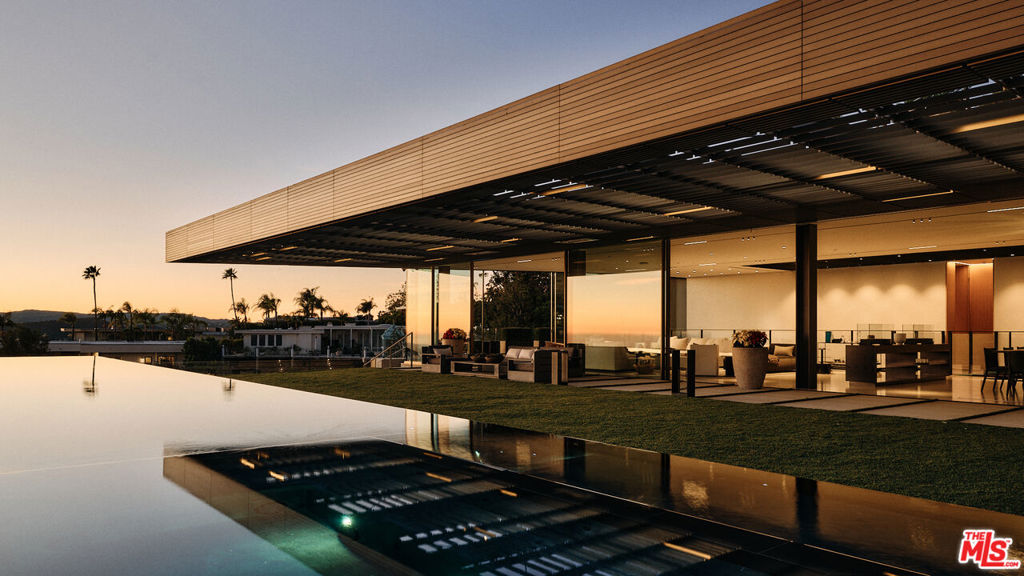
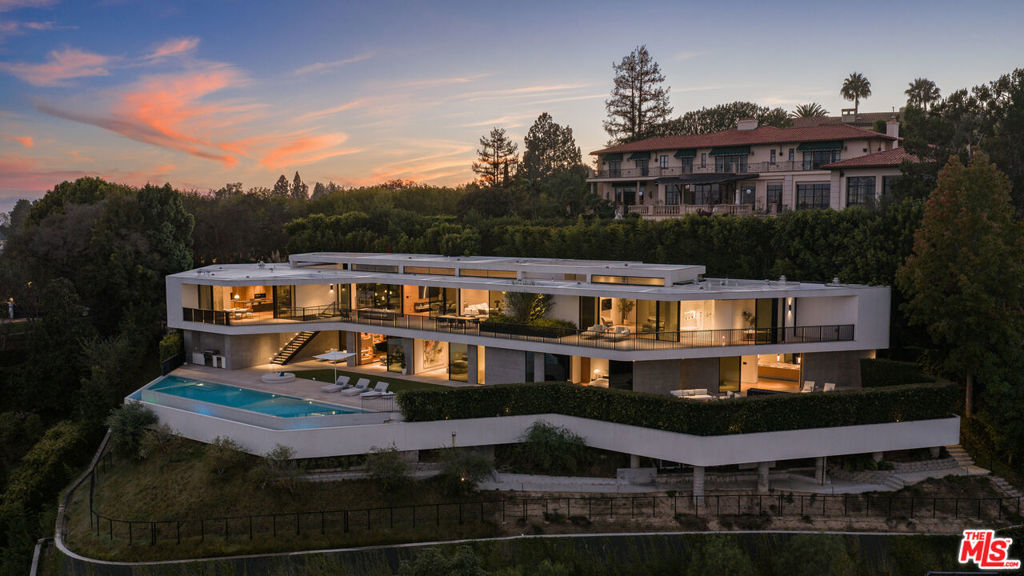
Irish-born architect Paul McClean, who trained at the Dublin Institute of Technology, established McClean Design in 2000. Based in Southern California, the firm has become a preeminent force in the region's contemporary residential scene. McClean's signature style emphasizes seamless indoor-outdoor living through the extensive use of massive glazing systems, reflecting pools, and clean horizontal planes that maximize panoramic views. His work, including notable projects like the Aria and Skyline residences, focuses on connecting inhabitants with the natural environment while maintaining a warm, light-filled modernism. By catering to both private homeowners and high-end developers, McClean has shaped the aesthetic of modern luxury in neighborhoods like Bel Air and Beverly Hills, earning a reputation for technical excellence and striking, site-specific geometry.

Notable: The One, 924 Bel Air Road, Bird Streets residencesWebsite

Marc Appleton

1976–present

Mediterranean Revival, Classical, Vernacular

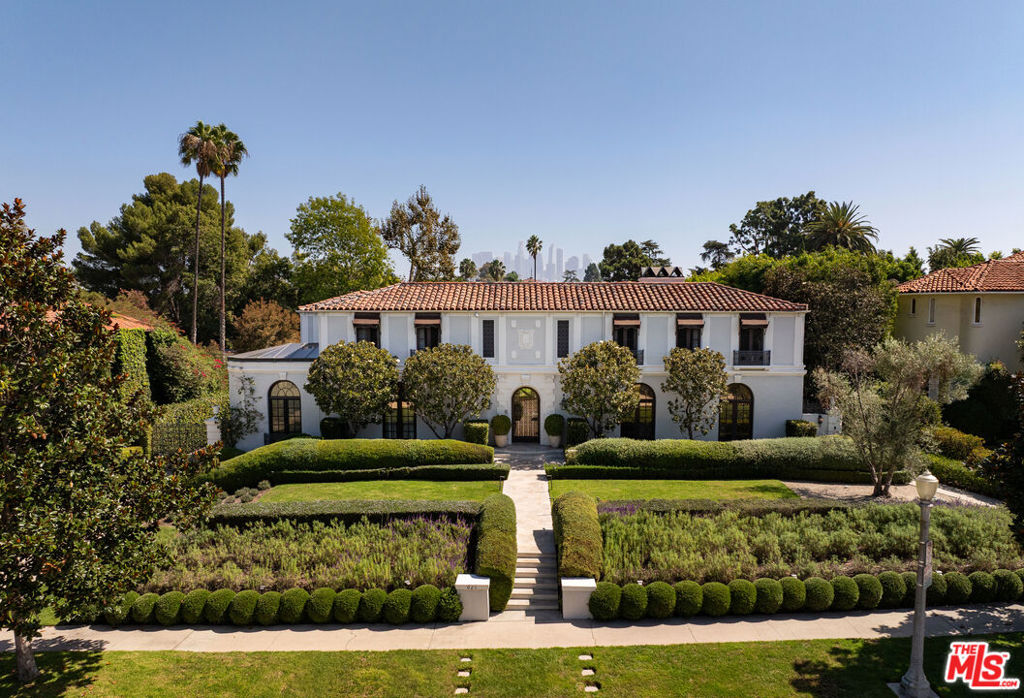
Educated at Harvard and Yale, Marc Appleton founded Appleton Partners in 1976 and is a leading authority on Mediterranean Revival architecture. He is celebrated for sophisticated residential estates and restorations that emphasize the harmonious relationship between landscape and architecture. His work often references the historical style of George Washington Smith and other California masters.

Notable: San Ysidro Ranch, Casa del Herrero (Renovation), Appleton House, Montecito EstatesWebsite

Howard Backen

1966–2020

Rustic Modern / Wine Country

Howard Backen was a foundational figure in 'Napa Valley Modernism,' a style characterized by rustic materials, heavy timber framing, and expansive, airy volumes. His design philosophy emphasized a connection to nature and relaxed, understated elegance that has been highly influential in Southern California luxury estates. His work often utilized reclaimed barn wood and large stone elements to ground modern silhouettes in tradition.

Notable: Meadowood Resort, various Napa Valley estates

William Hablinski

1978–2025

Classical Revival, Italianate, Traditional

William Hablinski (1945–2025) founded his firm in 1978 after studying at the University of Texas at Austin. He became famous for designing grand-scale traditional estates in prestigious Los Angeles enclaves like Beverly Park and Bel Air. His designs are characterized by meticulous classical detailing, symmetry, and an Old World elegance rooted in Italian and French precedents.

Notable: Le Manoir, Il Belvedere, The Gables, Veneto Palazzo, Villa FatioWebsite

William Hefner

1989–present

Transitional, Modern, Classical

A graduate of UCLA, William Hefner founded Studio William Hefner in 1989 as a multidisciplinary practice integrating architecture, interiors, and landscape. He is known for a versatile style that ranges from historically inspired estates to clean-lined contemporary residences. His work is noted for its warm livability and the seamless transition between indoor and outdoor spaces.

Notable: Chateau des Fleurs, Rustic Canyon Residence, Beverly Hills Art-Centric AbodeWebsite

Robert Byrd

1920–1978

California Ranch, Storybook, Rustic

Robert Byrd (1904–1978) was a self-taught building designer famous for his Birdhouse style, characterized by whimsical, rustic details like exposed wood beams and hand-built birdhouses embedded in structures. Active from the 1920s to the 1970s, he pioneered the California Ranch aesthetic in the Hollywood Hills. His homes were popular with celebrities and featured natural materials like stone and brick.

Notable: 10050 Cielo Drive, Robert Taylor Ranch, The Tree House, 1260 Lago Vista PlaceWebsite

Woods + Dangaran

2013–present

Modernism, Contemporary, Desert Modernism

Founded in 2013 by Brett Woods and Joseph Dangaran, both graduates of the USC School of Architecture, this Los Angeles firm is a modern star of Southern California design. They are celebrated for high-end residential projects that update mid-century modernist principles for the 21st century, including the restoration of Craig Ellwood's 1965 Moore House. The firm was named to the AD100 list in 2025 and has received multiple AIA design awards.

Notable: Moore House Renovation, Desert Palisades, Clear Oak, Moccasin FlatsWebsite

Richard Landry

1985–present

Classical / Mediterranean / Traditional

Often dubbed the "King of the Mega-Mansion," Canadian-born architect Richard Landry moved to Los Angeles in 1984 and founded Landry Design Group in 1987. Eschewing a singular signature style, Landry prioritizes a collaborative approach that adapts to his clients' diverse tastes, ranging from ultra-modern glass structures to palatial European-inspired estates. His prolific career includes over 500 private residences for celebrities such as Wayne Gretzky, Rod Stewart, and Tom Brady. Notable works include the Holmby Hills estate famously occupied by Michael Jackson. Landry's legacy lies in his ability to execute grand-scale architecture with meticulous historical detailing or sleek contemporary lines, consistently earning him a place on the AD100 list. His firm remains a dominant influence in the luxury residential landscape of Southern California and beyond.

Notable: Bel-Air chateaus, Beverly Hills estates, various celebrity homesWebsite

Gerard Colcord

1924–1984

Tudor Revival, Country Colonial, Monterey Colonial

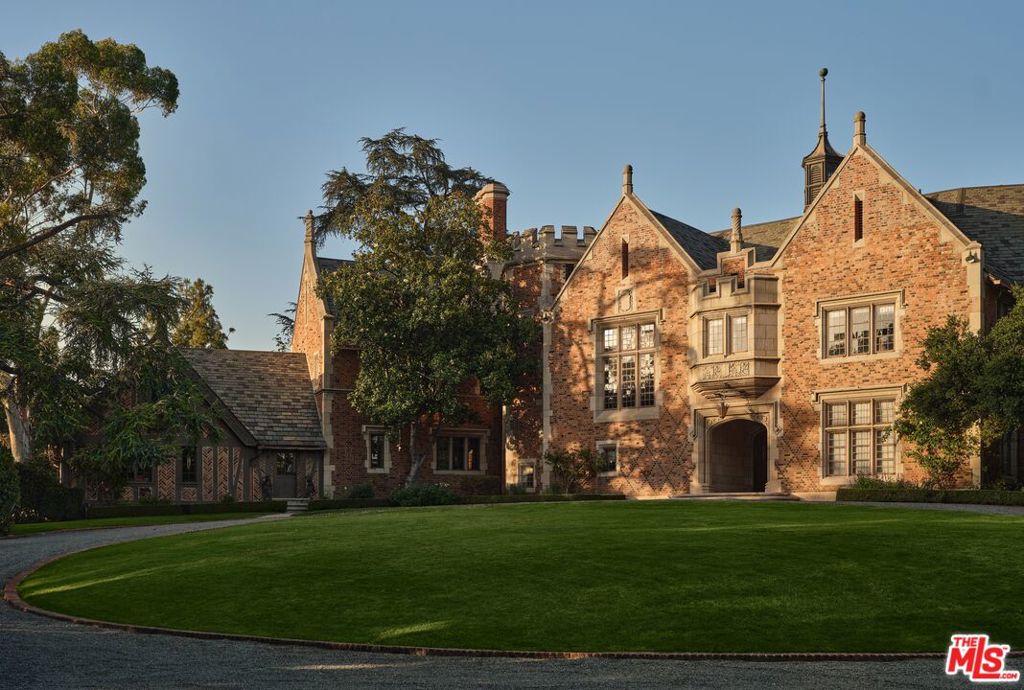
Gerard Rae Colcord (1900–1984) was a prolific Los Angeles architect frequently referred to as Hollywood's society architect. Educated at USC and the École des Beaux-Arts, he established his practice in 1924 and designed over 300 homes in prestigious areas like Bel Air and Beverly Hills. His work favored traditional revival aesthetics over modernism, creating warm, rustic residential spaces for an elite clientele.

Notable: Locke House, Trippet House, Harris House (Dean Martin Residence), Harrison Ford ResidenceProfile

Noah Walker

2005–present

Contemporary Modern

Noah Walker is the president of Walker Workshop, a Los Angeles-based firm he founded in 2009. A licensed architect and general contractor, Walker's professional background includes significant tenures at Marmol Radziner and Peter Gluck and Partners. His signature style is rooted in a design-build philosophy that emphasizes the seamless integration of modern structures within their natural topographies. Walker is particularly noted for his sophisticated use of concrete, wood, and glass to create residences that feel both grounded and ethereal. His work in Southern California, including the widely published Oak Pass House, demonstrates a mastery of site-specific planning that prioritizes landscape preservation and panoramic vistas. Walker's legacy is defined by his dual expertise in design and construction, allowing for a rigorous level of craftsmanship in the execution of complex residential architecture.

Notable: Hollywood Hills residences, Bel-Air estatesWebsite

Tim Campbell

2006–present

Modernist, Restoration, Contemporary

Tim Campbell is the founder of Studio Tim Campbell, a boutique firm established in 2006 with offices in Los Angeles and New York. He is widely recognized for high-end residential projects and expert restorations of modernist landmarks, including Richard Neutra's Singleton House. In 2017 he published Intentional Beauty, a monograph surveying his career in architecture and interior design.

Notable: Singleton House Renovation, Alfred Newman Residence Restoration, Campbell Divertimento Fountain Remodel, Parkes Residence ExtensionWebsite

Bart Prince

1970–present

Organic / Sculptural

Bart Prince is a visionary architect renowned for his contribution to the organic architecture movement. A protégé of Bruce Goff, Prince's work is characterized by its rejection of traditional geometric constraints in favor of highly sculptural, fluid forms that appear to grow from their sites. His Southern California legacy is anchored by the Price House in Corona del Mar, a residence famous for its unconventional, undulating silhouette and innovative use of materials. Prince's signature style involves complex structural systems and a deep focus on the individual needs of the inhabitant, resulting in homes that are unique, habitable sculptures. By prioritizing creative expression and environmental response over mainstream trends, Prince has established a legacy as one of the most original voices in American architecture, influencing generations of designers seeking to break free from modernist orthodoxy.

Notable: Prince House, various experimental residencesWikipedia

Morgan, Walls & Clements

1920–1940

Art Deco / Beaux-Arts / Revival

Morgan, Walls & Clements was one of Los Angeles's most influential architectural firms during the early 20th century, evolving from a focus on Spanish Revival styles to becoming a leader in Art Deco and Streamline Moderne. The firm, which included partners Octavius W. Morgan and Stiles O. Clements, was responsible for iconic landmarks such as the El Capitan Theatre, the Mayan Theatre, and the Wiltern Theatre. Stiles O. Clements, educated at the Ecole des Beaux-Arts in Paris, served as the principal designer for many of these celebrated projects, shaping the city's aesthetic during the 1920s and 1930s. Their work defined the glamour and architectural ambition of the era, blending historical motifs with modern, stylized ornamentation. The firm's legacy remains embedded in the urban fabric of Los Angeles, representing a pivotal transition toward the city's distinct mid-century architectural identity.

Notable: Los Angeles City Hall, Bullocks Wilshire, May Company buildingsWikipedia

Zoltan E. Pali

1995–present

California Modernism, Minimalism, Contemporary

Born in Los Angeles and educated at UCLA, Zoltan Pali founded SPF:architects in 1995 after mentoring under modernist Jerrold Lomax. He is known for an elegant minimalist style that bridges residential design and major cultural infrastructure. His firm led the restoration of the Getty Villa and designed the award-winning Wallis Annenberg Center for the Performing Arts.

Notable: Wallis Annenberg Center for the Performing Arts, Orum Residence, Somis Hay Barn, Getty Villa (Executive Architect)Website

Harry Gesner

1945–2022

Organic Modern / Mid-Century

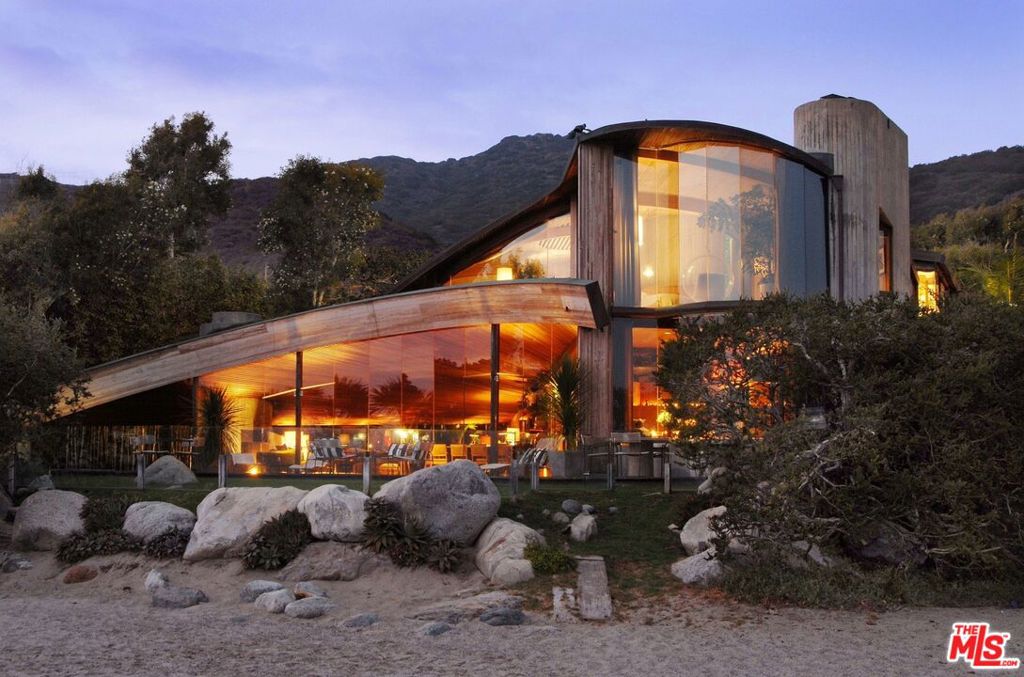
Harry Gesner (1925–2022) was a maverick of Southern California modernism, celebrated for his dramatic, organic designs that harmonized with the rugged coastal landscape. Primarily self-taught, Gesner drew inspiration from his background as a surfer and his family's artistic roots. His signature style featured soaring rooflines, expansive glass, and daring cantilevers, exemplified by the iconic Wave House in Malibu, which famously inspired the Sydney Opera House. Other notable works include the Sandcastle House and the Hollywood Boathouses, the latter constructed with the help of Norwegian shipbuilders to navigate steep terrain. Gesner's legacy lies in his rejection of rigid architectural norms in favor of visionary, site-specific structures that defined the "Soaring California Style." His work remains a testament to the adventurous spirit of mid-century Los Angeles residential architecture.

Notable: Wave House, Scantlin Residence, Sandcastle HouseWikipedia

Ted Tanaka

1970–present

Modernist, Geometric, East-West Fusion

Born in Japan in 1943 and educated at Arizona State University, Ted Tanaka established Ted Tokio Tanaka Architects in Los Angeles in the early 1970s. His work is defined by clear geometric forms and a poetic fusion of Eastern and Western architectural traditions. He is most famous for designing the iconic light pylons at the entrance of LAX.

Notable: LAX Gateway Pylons, Tanaka Residence (Marina del Rey), Banning's Landing Community CenterWebsite

Douglas Burdge

1987–present

Coastal Modern, Mediterranean, Rustern

A graduate of the USC School of Architecture, Douglas Burdge founded his Malibu-based practice in 1987 and has designed over 300 custom residences in the region. He is widely recognized for his Rustern (rustic-modern) style and high-end coastal Mediterranean estates. His projects frequently serve entertainment executives and utilize expansive glass and open floor plans.

Notable: MariSol Malibu, Carbon Beach Residences, Sunset BUD LivingHomeWebsite

Thomas Proctor

1986–present

Mediterranean Revival, American Classical, Traditional

Thomas Proctor studied architectural history at UC Santa Cruz and architecture at UCLA before establishing his Los Angeles practice in 1986. He specializes in meticulously detailed Classical and Mediterranean Revival residences that prioritize historical proportion and context. He is a prominent figure in the New Classical movement in Southern California residential design.

Notable: 706 North Hillcrest Road, Holmby Hills Estates, Brentwood Traditional ResidencesWebsite

XTEN Architecture

2000–present

Modernist, Minimalist, Sculptural

Founded in 2000 by Monika Haefelfinger and the late Austin Kelly, XTEN is an international firm with offices in Los Angeles and Switzerland. The firm combines Swiss precision with Los Angeles experimentalism to create sculptural, hillside forms that integrate seamlessly with nature. Their residential work has been widely celebrated for innovative material usage and minimalist logic.

Notable: Openhouse, Nakahouse, Sapphire Gallery, DiamondhouseWebsite

Hal Levitt

1950–2003

Mid-Century Modern, Hollywood Regency

Educated at Stanford and USC, Harold 'Hal' Levitt (1921–2003) founded his Beverly Hills practice in 1955 and became the architect to the stars. His work defined the glamorous lifestyle of the Hollywood elite, featuring dramatic entryways, interior courtyards, and massive glass walls. He is a primary figure in the evolution of Hollywood Regency and Mid-Century Modern architecture.

Notable: Lew Wasserman Estate, Riviera Hotel (Las Vegas), original AMPAS Building (Los Angeles)

John Elgin Woolf

1930–1970

Hollywood Regency / Neoclassical Modern

John Elgin Woolf (1908–1980) was the preeminent architect of the Hollywood Regency style, a glamorous aesthetic that defined the golden age of Los Angeles celebrity living. After graduating from the Georgia Institute of Technology, Woolf moved to Hollywood in 1936, where director George Cukor helped launch his career among the film elite. Woolf's designs blended neoclassical elegance with theatrical flair, characterized by signature elements such as mansard roofs, oversized Pullman doors, and symmetrical oval windows. Working with partner Robert Koch Woolf, he created "jewel box" residences for clients like Cary Grant and Errol Flynn. Key works include the Pendleton and Menefee houses in Beverly Hills. Woolf's legacy endures as the architect who translated cinematic fantasy into sophisticated residential form, shaping the visual identity of mid-century high society.

Notable: Woolf House, various celebrity residencesWikipedia

Charles Kanner

1955–1998

Modernism, International Style, Bauhaus

Charles G. Kanner (1930–1998) was a second-generation Los Angeles architect who headed Kanner Architects from 1974 until his death. A graduate of USC, his design philosophy was rooted in the International Style and Bauhaus modernism, characterized by clean lines and functionalist clarity. He was an influential fellow and president of the Southern California Chapter of the AIA.

Notable: Harvard Apartments, Montana Collection, Village Center (Westwood)Wikipedia

Roland E. Coate

1919–1958

Monterey Colonial, Spanish Colonial Revival, Mediterranean Revival

Roland Eli Coate (1890–1958) was an influential Southern California architect who helped popularize the Monterey Colonial Revival style. A graduate of Cornell University, he practiced in Los Angeles starting in 1919 and formed his own firm in 1925 after a partnership with Reginald Johnson and Gordon Kaufmann. His elegant, classically proportioned residences became a standard for luxury living in Pasadena and Beverly Hills.

Notable: David O. Selznick Estate, Casa de Parley Johnson, Fudger House, Pasadena Town ClubProfile

Rex Lotery

1956–2007

Modernism, Post-and-Beam, Urban Design

Rex Lotery (1930–2007) was a London-born architect who became a prominent figure in Southern California modernism and urban planning. After graduating from Rensselaer Polytechnic Institute, he founded his Los Angeles practice in 1956 and later served as president of the AIA Southern California chapter in 1973. He is celebrated for his hillside modernist residences and his role as president of the Urban Innovations Group at UCLA.

Notable: Elvis Presley Residence (Hillcrest Road), Florence House, Schacker House, Santa Monica Bus Administration Facility

Lake|Flato

1984–present

Regionalism, Sustainable Design, Vernacular Modernism

Founded in 1984 by David Lake and Ted Flato in San Antonio, Lake|Flato is a nationally acclaimed firm specializing in sustainable regionalism. The firm received the AIA Architecture Firm Award in 2004, and its founders were awarded the 2024 AIA Gold Medal for their innovative, environmentally responsive designs. Their work bridges vernacular craftsmanship and modern industrial materials, with notable residential projects across Southern California.

Notable: Austin Central Library, Josey Pavilion, Confluence Park, Hotel San Cristóbal BajaWebsite

Ralph Flewelling

1925–1975

Northern Italian Romanesque, Renaissance Revival, International Style

Ralph Carlin Flewelling (1894–1975) was a Michigan-born architect educated at Wesleyan University and MIT who opened his Los Angeles practice in 1925. He is known for designing prominent educational and civic buildings in styles ranging from Northern Italian Romanesque and Renaissance Revival to later International Style modernism. He co-founded the firm Flewelling & Moody in 1928, which continues to specialize in school facilities.

Notable: Beverly Hills Post Office, UCLA Women's Gymnasium, Hawthorne School, Newport Beach City Hall

Barry Berkus

1960–2010

Contemporary / Modern / Tract

Barry Berkus was one of the most prolific and influential residential architects in American history, designing tens of thousands of homes through his firm B3 Architects. His work spanned from tract housing to luxury custom residences, always with a focus on livability, innovation, and the California lifestyle. Berkus was a passionate advocate for good design at every scale, and his influence on the built environment of Southern California is immeasurable.

Notable: Various residential developments, custom estatesWikipedia

Assembledge+

1997–present

Warm Modernism, California Modernism, Sustainable Design

Founded in 1997 by David Thompson, AIA, Assembledge+ is a Los Angeles-based firm known for a signature warm modernism that emphasizes craftsmanship and transparency. Thompson, a graduate of the Southern California Institute of Architecture, previously worked with David Hertz and Lorcan O'Herlihy before establishing the studio. The firm's work frequently integrates indoor and outdoor living through pavilion-based residential designs.

Notable: Laurel Hills Residence, Rustic Canyon Residence, AETHER Apparel Flagship, Wonderland Park ResidenceWebsite

Bob Ray Offenhauser

1955–2016

Mediterranean Revival, Classical, Neoclassical

Bob Ray Offenhauser (1927–2016) was a prolific Southern California architect and USC alumnus who specialized in high-end residential estates often characterized by massive scale and high ceilings. He was widely recognized for classical Mediterranean and Chinese-influenced designs, serving as the American architect for the Chinese Garden at the Huntington Library. His portfolio includes some of the most expensive and grand residences in Beverly Hills and Bel Air.

Notable: Palazzo di Amore, Liu Fang Yuan (Huntington Chinese Garden), Offenhauser and Wilcox HousesWikipedia

Ameen Ayoub

2014–present

Fluid Modernism, Contemporary, Hillside Residential

Ameen Ayoub is an El Paso-born architect who earned his Master of Architecture from Washington University in St. Louis and worked for Frank Gehry before founding Ameen Ayoub Design Studio (AADS) in 2014. His practice focuses on fluid modernism, utilizing expressive forms and cinematic spatial sequences tailored to complex hillside terrains in Los Angeles. He is recognized for pushing technical and aesthetic boundaries in high-end custom residential design.

Notable: 1888 North Blue Heights, 2251 Sunset Plaza, Hollywood Hills Mountain VillaWebsite

Olson Kundig

1966–present

Kinetic Architecture, Modernism, Industrial Minimalism

Founded in Seattle in 1966 by Jim Olson, Olson Kundig is an international firm renowned for integrating architecture with nature through a macro to micro design philosophy. The firm is famous for kinetic architecture, featuring hand-cranked windows and moving walls designed by Tom Kundig. Their Southern California work includes the Desert House in Palm Springs and cultural installations at the Skirball Cultural Center.

Notable: The Pierre, Space Needle Renovation, Desert House (Palm Springs), Noah's Ark at Skirball CenterWebsite

David Lawrence Gray

1979–2022

Industrial Modernism, Adaptive Reuse, High-Tech

David Lawrence Gray (1940–2022) was a Seattle-born architect and Fellow of the AIA who founded David Lawrence Gray Architects in Los Angeles in 1979. Educated at the University of Washington and UC Berkeley, he became a central figure in the adaptive reuse movement, restoring hundreds of historic units in Downtown Los Angeles. His signature style utilized an industrial palette of concrete, steel, and glass to create austere yet playful modern structures.

Notable: Sunset Towers Restoration, Grether and Grether Building, Grayson Building, 1111 WilshireWebsite

Foster Rhodes Jackson

1940–1990

Organic / Prairie / Usonian

Foster Rhodes Jackson (1911–1997) was a prolific architect who brought the principles of organic architecture to the Southern California landscape. Trained at MIT and later mentored by Frank Lloyd Wright at Taliesin in the mid-1940s, Jackson established a practice that spanned over 800 projects, ranging from custom luxury residences to speculative housing. His work is characterized by a deep integration with natural topography and a Wrightian emphasis on geometric harmony and material honesty. Based primarily in La Verne, where he maintained a home-office for decades, Jackson's residential designs often featured complex roof systems and innovative spatial planning. While he designed only one known project in San Diego, his extensive footprint across the Inland Empire and Los Angeles County solidified his reputation as a dedicated practitioner of the organic tradition.

Notable: Various Los Angeles residences

William S. Beckett

1950–1977

Mid-Century Modern, International Style, Minimalism

William Sutherland Beckett (1921–1977) was a Yale-educated architect who established his Los Angeles practice in 1950 after serving as chief designer for Sumner Spaulding and working with Paul R. Williams. He became known as an architect to the stars, designing international-style modern homes for Hollywood's elite. His own office building on Melrose Place received a national AIA First Honor Award in 1952.

Notable: Beckett Office Building, Griffith Park Boys' Camp, A&M Records Studio (remodel), The Charlton HouseProfile

David Hertz

1990–present

Sustainable Modern / Environmental

David Hertz is a prominent Los Angeles architect and a pioneer in sustainable, environmentally sensitive design. A native Angeleno, Hertz studied at SCI-Arc and apprenticed under Frank Gehry before founding his firm, Syndesis, and later S.E.A. (Studio of Environmental Architecture). He is widely recognized for inventing Syndecrete, a lightweight, recycled pre-cast concrete material that revolutionized green building surfaces. Hertz's residential work, particularly in Malibu and Venice, seamlessly integrates contemporary aesthetics with ecological responsibility. His most famous project, the 747 Wing House, repurposed the wings of a decommissioned Boeing 747 to create a striking, resource-efficient roof structure. Through his focus on regenerative architecture and material innovation, Hertz has become a leading voice in the evolution of Southern California's modern, eco-conscious residential landscape.

Notable: 747 Wing House, various sustainable residencesWikipedia

EYRC Architects

1979–present

Multicultural Modernism, Contemporary, Sustainable Design

Founded in 1979 by Steven Ehrlich and now led by partners including Takashi Yanai, Patricia Rhee, and Mathew Chaney, this Culver City firm is a recipient of the AIA National Firm Award. They are renowned for Multicultural Modernism, a philosophy that blends global cultural influences with site-specific Southern California design. Their work spans residential, educational, and cultural projects.

Notable: UC Irvine Contemporary Arts Center, McArthur Park Primary Center, Evelyn and Mo Ostin Music Center at UCLA, Ridgeview HouseWebsite

Robert Farquhar

1905–1940

Beaux-Arts / Mediterranean Revival

Robert D. Farquhar (1872–1967) was a master of the Beaux-Arts tradition who shaped the architectural elegance of early 20th-century Los Angeles. Educated at Harvard and the prestigious École des Beaux-Arts in Paris, Farquhar brought a refined European sensibility to Southern California's burgeoning residential enclaves. His style masterfully blended Italian Renaissance and Mediterranean Revival influences, resulting in stately, symmetrical compositions. Farquhar is best known for designing the William Andrews Clark Memorial Library and the California Club, but his residential legacy is equally significant, including the opulent Owlwood Estate in Holmby Hills and the Canfield-Moreno Estate in Silver Lake. His work provided a sophisticated architectural foundation for the city's elite, leaving a legacy of timeless classicism that continues to define the historic character of Los Angeles' most prestigious neighborhoods.

Notable: William Andrews Clark Memorial Library, California ClubWikipedia

William Cody

1946–1978

Mid-Century Modern / Desert Modernism

William F. Cody was a pivotal figure in desert modernism, moving to Palm Springs in 1946 after graduating from USC. A former draftsman for Cliff May, Cody mastered an architectural language defined by restrained forms, expansive glass, and seamless indoor-outdoor continuity. His prolific career included high-profile clubhouses like the Eldorado Country Club and the iconic Palm Springs Spa Hotel. Cody resisted a singular aesthetic, instead tailoring his designs to the local environment and the post-war lifestyle. His legacy is cemented by residential masterpieces like the 1967 Palm Springs Glass House, which epitomizes his ability to blend international minimalist principles with the relaxed, sun-drenched desert way of life, leaving an indelible mark on the architectural landscape of Southern California.

Notable: Palm Springs Spa Hotel, Del Marcos Hotel, L'Horizon ResortWikipedia

Robert Stone

2000–present

Desert Modernism, Maximalism, Brutalist-Deco

Robert Stone is a Joshua Tree-based architect and designer known for self-built, conceptual desert pavilions that challenge minimalist Modernist tropes. His work integrates high-fashion aesthetics and decorative maximalism into brutalist structures set within the Mojave Desert landscape. He has gained significant recognition for a distinctive personality and architectural ambition.

Notable: Rosa Muerta, Acido Dorado, VoltronWebsite

Gus Duffy

1968–present

Traditional, Mediterranean Revival, Classical, French Country

Gus Duffy, AIA, is a Los Angeles architect who has specialized in luxury residential design since the late 1960s. He is recognized for technical proficiency in traditional European and American architectural styles, catering to high-end clients in Bel Air and Beverly Hills. His practice produced some of the area's most distinctive coastal and hillside estates.

Notable: 911 Tiverton Avenue, Various Bel Air and Beverly Hills Private EstatesWebsite

Stiles O. Clements

1920–1960

Art Deco / Spanish Colonial Revival

Stiles O. Clements was a prominent Southern California architect whose career spanned five decades, significantly shaping the region's built environment. Educated at the Drexel Institute and L'École des Beaux-Arts in Paris, Clements became a leading force in the Art Deco and Streamline Moderne movements. As a principal designer for the influential firm Morgan, Walls & Clements, he was responsible for many of Los Angeles' most celebrated historic structures. After leaving the firm in 1937 to establish his own practice, he continued to influence local design through his sophisticated approach to commercial and residential architecture. His work remains a testament to the glamour and innovation of early 20th-century Los Angeles, reflecting a deep mastery of period-specific styles and structural elegance.

Notable: El Capitan Theatre, various Los Angeles residencesWikipedia

Grant Kirkpatrick

1988–present

California Contemporary, Coastal Modernism, Modernism

A graduate of the USC School of Architecture, Grant Kirkpatrick founded KAA Design Group in 1988. His firm focuses on California Contemporary architecture, emphasizing a seamless indoor-outdoor lifestyle and the use of natural, regional materials for coastal residential projects. His work is recognized for refined detailing and a timeless aesthetic across Malibu and the Westside.

Notable: The Sandcastle (Malibu), Manhattan Beach Strand Residences, The Komisar HouseWebsite

Sidney Drasnin

1924–2003

Mid-Century Modern, Late Modernism, Commercial Modern

Sidney Drasnin (1924–2003) was a Los Angeles-based architect who designed numerous mid-rise residential and commercial buildings during the city's post-war expansion. A member of the AIA, he was frequently involved in the development of apartment complexes and medical offices across the Greater Los Angeles area. His work reflects the late-modern commercial character of mid-century Los Angeles.

Notable: Sunset-Doheny Office Building, West Hollywood Mid-Rise ApartmentsProfile

Eran Gispan

2004–present

Modern, Contemporary, Residential

Eran Gispan is the principal of GISPAN Design, Inc., based in Los Angeles and established in 2004. He earned his architecture degree from the Southern California Institute of Architecture (SCI-Arc) and specializes in high-end modern hillside residential design. His portfolio includes luxury properties in the Hollywood Hills and Beverly Hills.

Notable: Rising Glen Road Residence, Thrasher Avenue Residence, Sunset View Drive ResidenceWebsite

Russell Shubin

1991–present

Modernism, Contemporary, Creative Office

Russell Shubin is a founding partner of ShubinDonaldson, established in 1991 in Culver City. He received his Bachelor of Architecture from Cal Poly San Luis Obispo and is recognized for his work in modern luxury residential and creative commercial office design. Notable work includes high-profile renovations for major media and marketing firms.

Notable: Valhalla Residence, Ogilvy & Mather Offices, Skyline ResidenceWebsite

Amit Apel

2000–present

Sculptural Modernism, Contemporary, Luxury Residential

Amit Apel is the founder of Amit Apel Design, Inc., a West Hollywood-based firm specializing in sculptural modern architecture. His designs are characterized by bold geometric forms and the integration of indoor and outdoor living spaces. He has designed numerous contemporary luxury residences across Southern California and Israel.

Notable: Hillside House, Sunset Strip Modern Residence, Rising Glen ResidenceWebsite

Tag Front Architects

2000–present

Contemporary, Hospitality Design, Modern

Tag Front is a Los Angeles-based architecture and interior design firm founded by Mandi Rafaty and Kamran Hakakian. The firm is widely recognized for high-profile hospitality and commercial interiors, including several iconic Southern California restaurants. Their work emphasizes contemporary aesthetics through the use of textured materials and spatial volume.

Notable: BOA Steakhouse, Katana, 10000 Santa Monica Blvd InteriorsWebsite

Jesse Bornstein

1990–present

Sustainable Modernism, Contemporary, Residential

Jesse Bornstein is the principal of Jesse Bornstein Architecture in Santa Monica, specializing in sustainable modern design. He holds a Master of Architecture from the Harvard Graduate School of Design and focuses on spatial clarity and natural lighting in residential and mixed-use projects. He has completed several award-winning projects in the Los Angeles area.

Notable: 19th Street Residence, Bay Cities Loft, Ocean Park Mixed-Use BuildingWebsite

Ainsworth, Angel & McClellan

1950–1970

Mid-Century Modern, Modernism, Institutional

Ainsworth, Angel & McClellan was a mid-20th-century architectural partnership based in Pasadena, active during the 1950s and 1960s. The firm, led by Robert H. Ainsworth and Arthur R. Angel, designed numerous civic, educational, and institutional buildings in the Modernist style. They were instrumental in shaping the post-war public architecture of the San Gabriel Valley.

Notable: Pasadena Unified School District Headquarters, McKinley Junior High School, South Pasadena Public Library ExpansionProfile

Robert A. M. Stern

1977–present

Classical / Traditional / New Classical

Robert A. M. Stern was a distinguished American architect, educator, and author who founded his eponymous firm, RAMSA, in 1969. While his practice achieved global renown for major institutional projects and classically styled urban residences, Stern also maintained a significant presence in Southern California. His firm's residential work is characterized by a thoughtful reinvention of regional vernaculars, including the Shingle Style and American modern design, always emphasizing a strong sense of place. As the former Dean of the Yale School of Architecture, Stern was a vocal advocate for contextual design. His legacy is defined by a career-long commitment to blending historical inspiration with contemporary requirements, resulting in homes that are both timeless in their aesthetic and deeply rooted in their specific landscapes.

Notable: Various estates and institutional projectsWikipedia

Peter Choate

1968–2012

Traditional, Classical Revival, Contemporary

Born in 1936 in Los Angeles and educated at USC, Peter Choate founded his firm in 1968. He became a prominent architect for Hollywood celebrities, specializing in high-end residential designs that blended traditional aesthetics with modern luxury. He was known for his work in Bel Air, Beverly Hills, and Malibu until his death in 2012.

Notable: 10050 Cielo Drive (remodel), Carolwood Estate, Linda Ronstadt Residence, Mel Brooks ResidenceProfile

Gerald Allison

1959–present

Modernism, Tropical Modernism, Hospitality

A 1953 graduate of the USC School of Architecture, Gerald Allison was a founding partner of Wimberly Allison Tong & Goo (WATG) in 1959. He was a pioneer in destination resort design, focusing on architecture that reflected the cultural heritage of its location. His work expanded the firm into a global leader in the hospitality sector.

Notable: Hotel Bora Bora, Shangri-La Hotel Singapore, The Palace of the Lost City, The Ritz-Carlton Laguna NiguelWebsite

B. Cooper Corbett

1900–1923

Spanish Colonial Revival, Italian Renaissance Revival, Mediterranean

Benjamin Cooper Corbett was a Los Angeles architect active in the early 20th century who studied at the École des Beaux-Arts. He was highly regarded for designing grand Period Revival residences for the city's elite in neighborhoods like Hancock Park and Hollywood. His career was cut short by his early death in 1923.

Notable: Milner House, 615 South McCadden Place, 1206 Orange Grove Avenue, F.M. Brininstool ResidenceProfile

Ken Ungar

1988–present

Traditional, Shingle Style, Colonial Revival

Ken Ungar founded his Westlake Village-based practice in 1988 after earning his degree from USC. He specializes in luxury custom residential architecture, often described as Traditional with a Twist, adapting East Coast styles for California living. His projects are concentrated in affluent communities such as Brentwood, Pacific Palisades, and Calabasas.

Notable: Brentwood Shingle Estate, Pacific Palisades Traditional, Calabasas Colonial, Hidden Hills FarmhouseWebsite

Sylvanus Marston & Garrett Van Pelt

1914–1940

Spanish Colonial Revival, English Tudor, Mediterranean Revival

Formed in 1914 in Pasadena, this partnership combined Sylvanus Marston's Cornell education with Garrett Van Pelt's design innovation to create the Pasadena Style. The firm was instrumental in developing the aesthetic of Southern California's early 20th-century residential architecture. They are noted for their prolific output of sophisticated Period Revival homes.

Notable: Fenyes Mansion (Addition), Grace Harkness House, Pasadena Athletic Club, Westridge School for GirlsWebsite

Wallace Neff

1919–1975

Spanish Colonial Revival, Mediterranean Revival

Wallace Neff is widely credited with defining the "California Style," a romantic and refined residential aesthetic that became synonymous with Hollywood's Golden Age. Trained at MIT, Neff opened his Pasadena practice in 1922, designing over 500 homes for elite clients, including Mary Pickford and Charlie Chaplin. His signature style blended Spanish Colonial and Mediterranean Revival influences, characterized by white plastered walls, red clay tiles, and lush courtyards that prioritized indoor-outdoor living. Beyond his luxury estates, Neff was an innovator who patented the "Airform" concrete dome in 1941 to provide low-cost housing. His legacy endures through his mastery of scale and proportion, which ensured his homes felt organically connected to the Southern California landscape, effectively shaping the region's architectural identity for decades.

Notable: Pickfair, The King's House, Libbey HouseWikipedia

Buff & Hensman

1954–1990

Mid-Century Modern, Post and Beam

Buff & Hensman, founded by USC graduates Conrad Buff III and Donald Hensman, were preeminent architects of the California mid-century modern movement. Practicing from 1952 through the late 1990s, the firm designed over 200 significant residential projects, with a heavy concentration in Pasadena and the Los Angeles area. They are celebrated for their sophisticated use of post-and-beam wood construction, floor-to-ceiling glazing, and an uncompromising commitment to indoor-outdoor integration. Their defining work, Case Study House #20, exemplifies their ability to create light-filled, airy spaces that responded to the Southern California climate. Buff & Hensman's legacy is one of architectural soulmates who elevated the modern home, leaving behind a portfolio of masterworks that continue to define the region's modernist residential heritage.

Notable: Case Study House 20, Case Study House 18, Schaber Residence

Charles G. Kanner

1953–1998

Modernism, International Style, Contemporary

After studying at USC, Charles Kanner took the lead of Kanner Architects in 1953, a firm originally founded by his father. He transitioned the practice into a modern powerhouse, focusing on clean lines and geometric forms in both commercial and residential sectors. He served as president of the AIA Los Angeles chapter and was a Fellow of the AIA.

Notable: Harvard Apartments, Montana Avenue Retail, In-N-Out Burger (Westwood), Kanner House (Malibu)Profile

BSPK Design

2011–present

Contemporary, Coastal Modern, Minimalism

Founded in 2011 by Thomas Olajos and based in Costa Mesa, BSPK Design specializes in high-end bespoke residential architecture across coastal Orange County. The firm is known for a contemporary aesthetic that integrates natural light with site-specific regionalism. Its portfolio includes luxury custom residences characterized by minimalist lines and coastal materiality.

Notable: 219 Sapphire Ave, 2404 Waterfront Dr, 301 Larkspur AveWebsite

Robert Tong

1980s–present

Neoclassical, Mediterranean, Italianate

A prolific architectural designer born in Sichuan, China, Robert Tong founded Sanyao International in Arcadia after immigrating to the U.S. in the 1980s. Though not a licensed architect in California, he is credited with defining the Chinese Beverly Hills aesthetic through hundreds of luxury villas in the San Gabriel Valley. His work is characterized by grand Neoclassical and Mediterranean motifs tailored to an international clientele.

Notable: 911 Hampton Road, 1212 Highland Oaks Drive, 1028 Arcadia AvenueWebsite

Jacobsen Arquitetura

2012–present

Tropical Modernism, Contemporary, Organic Modernism

Founded in 2012 by Paulo Jacobsen and his son Bernardo Jacobsen, this Brazil-based firm is a global leader in Tropical Modernism. Their practice emphasizes the integration of built structures with the natural environment using wood, stone, and transparency. In Southern California, they are known for high-profile site-specific residences in Malibu that utilize their signature indoor-outdoor language.

Notable: PN Charlie Malibu, RT House, GFC House, Ocean HouseWebsite

Ron Goldman

1975–2023

Coastal Modernism, Sustainable Design, Contemporary

Ronald Edward Goldman (1939–2023) was a Malibu-based FAIA architect who earned his master's degree from MIT and established his firm in 1975. A key figure in Malibu's civic history, he designed over 1,000 projects focused on sustainability and architecture that shelters without enclosing. His work spans from environmentally sensitive beach houses to major civic and commercial landmarks.

Notable: Malibu City Hall, Cove Colony House, The Park at Cross CreekWebsite

Paul Wuesthoff

1960–1980

Mid-Century Modern, Post-and-Beam, Regionalism

Active during the 1960s and 1970s, Paul Wuesthoff was a Southern California architect known for his contributions to the post-and-beam modern tradition. As a principal at Pearson & Wuesthoff and in his solo practice, he designed numerous custom residences and modern cinemas throughout Los Angeles and the Southwest. His residential work is defined by clerestory windows, stacked bond masonry, and seamless connections to nature.

Notable: 3069 Crest Road, 900 Napoli Drive, 6944 Crest RoadProfile

Bill Neburka

2005–present

Minimalism, Urban Modernism, Adaptive Reuse

A graduate of Syracuse University, Bill Neburka is a founding principal of Works Progress Architecture (WPA), established in 2005. His practice is characterized by a minimalist, urban modernist aesthetic that emphasizes structural transparency and adaptive reuse. He maintains offices in Portland and Los Angeles, producing award-winning work ranging from multi-family housing to organic-modern canyon retreats.

Notable: bSide6, Framework, 43rd & Division, Rustic Canyon ResidenceWebsite

Laszlo Sandor

1970–2025

Mid-Century Modern, Brutalist, Contemporary

Laszlo Ernest Sandor (1926–2025) was a Hungarian-born architect who emigrated to the U.S. in 1958 and became a prominent figure in Palm Springs modernism. After working for Al Beadle and William Cody, he founded his own firm in 1970, specializing in both Brutalist commercial structures and luxury residential tracts. His work helped define the desert modernist landscape of the Coachella Valley.

Notable: Seventh Day Adventist Church (Palm Springs), Plaza Racquet Club, Canyon South V, Steve Chase ResidenceProfile

Lise Claiborne Matthews

1982–present

Contemporary, Sustainable, Restoration

Lise Claiborne Matthews is a Los Angeles-based architect and principal of LCM Studio, which she established in Venice in 1982. She is recognized for a boutique approach to high-end residential design, emphasizing climate-responsive features and sensitive historic restorations in neighborhoods like Brentwood and Santa Monica. Her work integrates modern detail with sensitive preservation.

Notable: LCM Studio (Abbot Kinney), Brentwood Art-Focused Residence, Windsor Square Historic RemodelWebsite

A.K. Kellogg

1920–1940

Spanish Colonial Revival, Tudor Revival, Mediterranean Revival

Arthur K. Kellogg was a prolific architect active in Los Angeles during the building boom of the 1920s and 1930s. He specialized in Period Revival residential architecture, contributing significantly to the historical fabric of the Hancock Park and Windsor Square districts. His designs helped define the romantic character of interwar Los Angeles.

Notable: The Kellogg House (201 S. Lorraine Blvd), 301 S. Hudson Avenue, 511 S. Arden BoulevardProfile

C.B. Clyne

1881–1940

Italianate, Spanish Colonial Revival, American Craftsman

Charles B. Clyne (1881–1940) was a Los Angeles designer and builder active in the early 20th century, known for grand Italianate and Spanish-style estates. He is most notable for designing the 1914 Laughlin Park mansion that later became the celebrated estate of filmmaker Cecil B. DeMille. His work reflects the opulent residential taste of early Hollywood.

Notable: Charles F. Perry House (Cecil B. DeMille Estate), Laughlin Park ResidencesProfile

Roman James Design Build

2010–present

Ultra-Modern, Contemporary, Minimalist

Founded by Roman James in 2010, this Beverly Hills-based firm is a leader in the ultra-luxury spec mansion market in Southern California. The firm provides vertically integrated architectural and interior design services, known for record-shattering sales of high-tech, contemporary estates for celebrity and tech-industry clients. Its work defines the upper end of the Los Angeles luxury market.

Notable: 1181 North Hillcrest Road, 9380 Sierra Mar Drive, Granito Drive ResidenceWebsite

Shawn Peterson

2000–present

Modern, Transitional, Eclectic

Shawn Peterson is a partner at the West Hollywood-based firm Ames Peterson, which focuses on high-end custom residential projects internationally. His work is characterized by an axial design approach that blends sleek contemporary forms with traditional influences drawn from extensive global travel. His projects span the Hollywood Hills, Malibu, and international resort communities.

Notable: Wrightview Residence, The Strand at Headlands, Sunset Boulevard EstatesWebsite

Barbara Bestor

1995–present

Modernism, California Cool, Regionalism

Born in 1966 and educated at Harvard GSD and SCI-Arc, Barbara Bestor founded Bestor Architecture in Los Angeles in 1995. She is recognized for her stealth modernism and vibrant, community-oriented residential and commercial spaces. Her firm is notable for projects like the Beats Electronics Headquarters and the Blackbirds housing development in Echo Park.

Notable: Beats Electronics Headquarters, Blackbirds Housing, Silvertop Restoration, Intelligentsia Coffee Silver LakeWebsite

Harold Zook

1920–1949

Cotswold Cottage, Storybook, Tudor Revival

Roscoe Harold Zook (1889–1949) was an architect celebrated for his whimsical, highly detailed designs that often feature his signature spiderweb motif and hand-carved woodwork. Educated at the Illinois Institute of Technology, he worked for Howard Van Doren Shaw before establishing his own practice in the 1920s. His residential work helped define the Storybook style of the era.

Notable: Hinsdale Memorial Building, Zook Home and Studio, Maine Township High School East, St. Paul's United Church of ChristProfile

IR Architects

2012–present

Contemporary Modern, Luxury Residential

Founded in 2012 by Ignacio Rodriguez and headquartered in Los Angeles, IR Architects specializes in high-end luxury residential architecture. The practice is known for navigating complex hillside developments and creating expansive modern estates. Their work is characterized by seamless indoor-outdoor transitions and large-scale geometric forms.

Notable: 1200 Bel Air Road, 8201 Bellgave Place, 1440 Stradella Road, 1 Electra CourtWebsite

Colega Architects

2000–present

Modernist, Minimalist, Contemporary

Colega Architects is a Los Angeles-based firm founded by Forest Godby and David Elston. The firm focuses on site-specific modernist designs that emphasize light, volume, and material integrity. Its portfolio includes residential and commercial projects that integrate minimalist aesthetics with Southern California's natural environment.

Notable: Sunset Strip Residence, Laurel Canyon Residence, Venice Beach Duplex, The SawtelleWebsite

Paul Sterling Hoag

1948–2004

Mid-Century Modern, Functionalism, Organic Modernism

Paul Sterling Hoag (1913–2004) was a Southern California modernist who apprenticed under Rudolph Schindler before opening his firm in 1948. He designed over 150 projects, primarily custom residences in the Pacific Palisades and Los Angeles areas. His work is known for its functionalist approach and sensitive integration into hilly terrains.

Notable: Hoag House, Glendon Avenue Apartments, Macfadyen House, Pacific Palisades Custom HomesProfile

Irving Tobocman

1960–2017

International Style, Minimalism, Modernism

Irving Tobocman (1932–2017) was a Detroit-based architect who studied at the University of Michigan and founded his firm in the 1960s. He became famous for his stark, white-box International Style residences characterized by flat roofs, floor-to-ceiling glass, and minimalist luxury. His influence is heavily seen in the high-end suburbs of Michigan and South Florida.

Notable: Tobocman Residence, Bloomfield Hills Estates, The Detroit Club (Renovations), Birmingham Private ResidencesProfile

Juan Carlos Ochoa

2004–present

Modern Coastal, Contemporary Residential, Minimalist

Juan Carlos Ochoa is the principal of Ochoa Architecture, Inc., a Manhattan Beach-based firm he established in 2004. He earned his Bachelor of Architecture from Cal Poly San Luis Obispo and specializes in high-end coastal residential design. His work is characterized by clean geometric forms and the strategic use of light and glass in the South Bay area.

Notable: 420 28th Street, 236 34th Street, 124 2nd Street, Ochoa Modern ResidenceWebsite

Louis Tomaro

1990–present

Coastal Modern, Transitional, Mediterranean Revival

Louis Tomaro founded Tomaro Design Group in Manhattan Beach in 1990 after graduating from the USC School of Architecture. He is one of the most prolific architects in the South Bay, credited with designing over 500 custom luxury homes. His signature Warm Modern style balances expansive coastal glazing with natural stone and wood textures.

Notable: 1120 The Strand, 230 The Strand, 212 18th Street, 78 The StrandWebsite

George M. Montierth

1946–2004

International Style, Regional Modernism, Desert Modern

George Miles Montierth (1910–2004) was a prominent Mid-Century Modern architect based in Long Beach who graduated from the USC School of Architecture in 1936. After serving in WWII, he established his practice in 1946, designing civic landmarks and mentoring noted modernist Paul Tay. His residential designs are hallmarks of the postwar regional modernism found in Park Estates and Naples Island.

Notable: 15 The Colonnade (Art Hall Residence), Long Beach Yacht Club, Kresl Residence, Casa Sereno (Montierth Residence)Profile

Vladimir Elmonovich

1998–present

Hillside Contemporary, Luxury Residential, Late Modernism

Vladimir Elmanovich is the principal of VEA Architects in Encino, a firm founded in 1998 that specializes in massive high-end custom estates and hillside developments. A former president of the AIA San Fernando Valley, he earned degrees from NJIT and SCI-Arc and is known for managing complex residential projects in Beverly Hills and Malibu. His designs often encompass expansive luxury volumes of up to 35,000 square feet.

Notable: 1521 N Doheny Drive, Swallow Drive Residence, Nightingale Drive Estate, Sabana Lane ResidenceWebsite

Charles & Ray Eames

1940–1978

Mid-Century Modern, Industrial Design

Charles and Ray Eames were a husband-and-wife design team who revolutionized 20th-century American design, particularly within Southern California's Case Study House program. Their architecture and furniture designs emphasize industrial materials, modularity, and an integration of indoor and outdoor space, effectively defining the 'California Modern' aesthetic for a global audience.

Notable: Eames House (Case Study House No. 8), Entenza HouseWebsite

Raphael Soriano

1936–1988

International Style, Mid-Century Modern

Raphael Soriano was a pioneering modernist architect known for his strict devotion to modular construction and the use of steel and glass in residential design. His rigorous approach to industrial-influenced architecture helped shape the mid-century landscape of Los Angeles, emphasizing precision and structural clarity.

Notable: Schindler-Shelton House, Katz House, Adolph House

Frank Gehry

1962–present

Deconstructivism, Contemporary

Frank Gehry is a Pritzker Prize-winning architect whose work in Los Angeles helped transition the city into a global center for contemporary experimental architecture. Known for his use of unconventional, humble materials in his early residential projects, his later work evolved into sculptural, complex forms that challenge traditional notions of structure.

Notable: Gehry Residence, Norton House, Winton Guest HouseWebsite

Morphosis / Thom Mayne

1972–present

Deconstructivism, Contemporary

Founded by Thom Mayne, Morphosis is a multidisciplinary practice rooted in an experimental, process-driven approach to architecture that emerged from the Southern California avant-garde. Their work often features aggressive geometries, sophisticated structural systems, and a thematic focus on urban density and the 'architecture of performance.'

Notable: Lawrence House, 2-4-6-8 House, Crawford HouseWebsite

Richard Meier

1963–present

High Modernism

Richard Meier is renowned for his signature use of stark white geometries and complex layering of light, often grounded in the tradition of the International Style. While his work spans the globe, his contributions to the LA architectural landscape are marked by a meticulous sense of order and high-modernist clarity.

Notable: The Getty Center, Douglas House, Smith HouseWebsite

Steven Ehrlich

1979–present

Contemporary, Multicultural Modernism

Steven Ehrlich established his reputation through 'Multicultural Modernism,' an approach that synthesizes indigenous building traditions with contemporary urban demands. His LA-based projects emphasize sustainability, passive climate control, and a strong connection to site and culture.

Notable: Katzenberg House, Spear House, The BoxWebsite

Michael Maltzan

1995–present

Contemporary, Minimalist

Michael Maltzan is an architect recognized for his inventive approach to urban housing and civic space, bridging the gap between artistic abstraction and social utility. His work in Los Angeles has significantly influenced contemporary approaches to sustainable, high-density residential design.

Notable: Inner-City Arts, Star Apartments, Pittman Dowell HouseWebsite

Donald Wexler

1952–2015

Desert Modernism, Mid-Century Modern

Donald Wexler was a master of the desert modern style, particularly influential in the Palm Springs region for his pioneering use of steel in residential architecture. His homes are celebrated for their integration with the harsh desert environment, utilizing lightweight materials and expansive glass walls to create seamless indoor-outdoor living.

Notable: Steel Development Houses, Dinah Shore Residence, Royal Hawaiian Estates

Albert Frey

1930–1998

Desert Modernism, International Style

Albert Frey, a protégé of Le Corbusier, became a primary architect of the Palm Springs desert modern style. His works are characterized by a profound sensitivity to site and climate, often incorporating natural elements like boulders into his living spaces, blurring the line between building and landscape.

Notable: Frey House II, Tramway Gas Station, Aluminaire House

Cliff May

1931–1989

California Ranch, Modern

Cliff May is widely credited as the 'father of the California Ranch House,' having popularized a design typology that prioritized casual, sprawling, horizontal layouts. His residential developments focused on the merging of domestic interiors with private garden spaces, setting the standard for post-war suburban living in California.

Notable: Sullivan Ranch House, Cliff May Experimental House, various Crestwood Hills homesWikipedia

Michael Lee

1991–present

Coastal Modern, Contemporary, Minimalist

Michael Lee is a Manhattan Beach-based architect who founded Michael Lee Architects (MLA) in 1991. After working with modernists such as Dean Nota, he built a practice around high-end coastal residential design in the South Bay. His work is recognized for its minimalist, modern aesthetic and tight integration of indoor and outdoor living spaces.

Notable: Schiff Residence, Strand Residence, 10th Street Residence, 18th Street ResidenceWebsite

James Meyer

1995–present

Modernist, Industrial, Sustainable

James R. Meyer is the founder of J R M / A: The Studio For Architecture and previously led the design-build firm Lean Arch in Los Angeles for over twenty years. A Cal Poly SLO graduate, he worked at Skidmore, Owings & Merrill and Johnson Fain before specializing in modern residential and sustainable creative offices. His practice emphasizes the integration of building technology with high-performance design.

Notable: Kuhlhaus 01, Centinela Creative Office, Westgate ResidenceWebsite

Edwin L. Westberg

1930–1980

Mid-Century Modern, Institutional, Contemporary

Edwin L. Westberg (1904–1989) was a Southern California architect and partner in the firm Westberg & Schlessinger, founded in 1958. Based in Alhambra, his practice focused on mid-century modern educational and municipal facilities across the Los Angeles basin. The firm eventually evolved into WestbergWhite Architecture, a prominent leader in California K-12 school design.

Notable: Alhambra City Hall, San Gabriel High School, Temple City High SchoolProfile

Nagy Bakhoum

1997–present

Mediterranean Revival, Eclectic, Contemporary

Nagy Bakhoum is the principal of Obelisk Architects, a firm he established in 1997 in Torrance, California. He specializes in high-end custom residential and commercial projects, often drawing from historical precedents to create timeless designs. In addition to his practice, he has served as a professor of architecture and co-authored foundational texts on architectural working drawings.

Notable: Belle Bridal & Tuxedo, 17th Street Residence, The Strand Hermosa ResidenceWebsite

Henry Harwood Hewitt

1905–1926

Spanish Colonial Revival, Mediterranean Revival, Beaux-Arts

Henry Harwood Hewitt (1874–1926) was an American architect educated at MIT and the École des Beaux-Arts in Paris. He practiced in Los Angeles starting in 1913, where he became a prominent figure in the Spanish Colonial and Mediterranean Revival movements. His work is noted for its refined Beaux-Arts proportions and historicist detailing in luxury estates.

Notable: Alice Lynch House, The Ebell of Los Angeles, Hewitt Castle, J.W. Robinson EstateWikipedia

Robert D. Jones

1915–1935

Tudor Revival, Italian Renaissance Revival, Spanish Colonial Revival

Robert D. Jones was a Los Angeles architect active in the early 20th century, best known for his collaboration with real estate developer Sanson M. Cooper. He designed numerous high-end residences in the Windsor Square and Wilshire districts, specializing in revivalist styles for speculative and custom clients. His work helped define the upscale suburban character of 1920s Central Los Angeles.

Notable: Lillie O'Donnell House, 420 Lorraine Boulevard, 414 South Windsor BoulevardWikipedia

Gordon Stein

1995–present

Contemporary Desert Modern, Mediterranean, Transitional

Gordon Stein is the principal of Gordon Stein Design, a luxury architectural and interior design firm based in Palm Desert. He is known for creating large-scale desert estates that blend modernism with a 1960s mod aesthetic and Mediterranean influences. His work is prominent in elite gated communities such as The Madison Club and The Vintage Club in La Quinta.

Notable: The Madison Club Residence, Vintage Club Villa, Rustom EstateWebsite

Charles Austin

2016–present

Brutalist Modern, Minimalism, Desert Modernism

Raised in West Texas and educated at UT San Antonio and MIT, Charles Austin practiced at Morphosis under Thom Mayne and at NBBJ before founding Configure8 Studio in 2016. Based in Palm Springs, his work focuses on sustainable, forward-thinking architecture that blends minimalist and brutalist aesthetics. He is known for integrating desert modernism with innovative material expression.

Notable: Gas Company Building Reimagining (211 N Sunrise Way), Old Las Palmas Estate, Lily Pad (Lily Tomlin Residence) ReimaginingWebsite

Nicholas A. Kabush

1930–1974

French Normandy, Spanish Revival, Mid-Century Modern

Nicholas A. Kabush (1901–1974) was a Russian immigrant who became a prolific Southern California architect after graduating from the USC School of Architecture. He trained in the offices of Pierpont and Walter Davis before establishing his own practice specializing in historicist residential and institutional designs. His work is recognized for refined detail in French Normandy and Spanish Revival styles throughout Los Angeles and the Inland Empire.

Notable: Maison Lucile (1027 Ridgedale Dr), Chateau Jean des Lavandes, Aquinas High School, St. Adelaide's ChurchProfile

Studio MD

2005–present

Organic Modern, Contemporary Modernism, Minimalist

Founded by Michael Duarte, AIA, Studio MD is a Los Angeles-based architecture firm specializing in luxury residential estates and high-end commercial design. The practice is known for its organic modern approach, frequently utilizing floor-to-ceiling glass, board-formed concrete, and seamless indoor-outdoor transitions. The firm has gained prominence for recent large-scale architectural projects in Bel Air and the Hollywood Hills.

Notable: The Glassridge Residence (Bel Air), 1149 Linda Flora Drive, St. Ives ResidenceWebsite

Minarc

1999–present

Scandinavian Modern, Contemporary, Sustainable

Minarc is an award-winning design firm founded by Erla Dögg Ingjaldsdóttir and Tryggvi Thorsteinsson that emphasizes minimalist design, environmental sustainability, and the beauty of natural materials. Their work frequently utilizes prefabricated elements to create light-filled, airy spaces that represent a refined version of contemporary California modernism.

Notable: Slide House, Plús Hús, various residential projects in Santa MonicaWebsite

Equinox Architecture

1981–present

Modern, Contemporary, Residential

Founded in 1981 by principal architect Kenneth L. Andrews, AIA, this Los Angeles-based firm specializes in high-end custom residential and commercial projects. The firm is recognized for a rigorous design approach that integrates contemporary aesthetics with functional material solutions. It has completed numerous modern estates and renovations throughout the Hollywood Hills and Westside Los Angeles.

Notable: Equinox Residence, Hollywood Hills Custom Homes, Westside Residential EstatesWebsite

Pei Cobb Freed & Partners

1955–present

High Modernism, Contemporary

Pei Cobb Freed & Partners is a major international architectural firm with a legacy rooted in High Modernism and institutional precision. While their most prominent work consists of civic structures, their residential and urban design contributions reflect a commitment to timeless elegance and structural rigor.

Notable: The Beverly Center (renovations), various urban residential projectsWebsite

Gensler

1965–present

Commercial/Residential Modern, Contemporary

Gensler is the world's largest architectural firm, maintaining a significant influence on the commercial and residential high-density landscape of Los Angeles. Their work is characterized by large-scale, efficient, and technologically integrated design that addresses the complex urban needs of the modern metropolis.
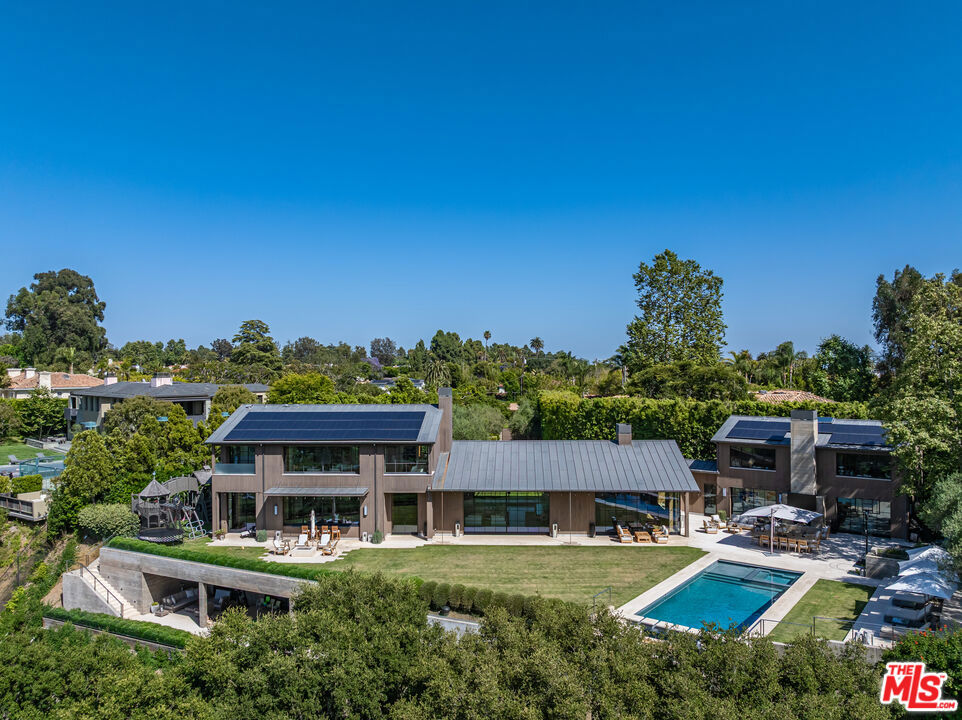
Notable: The Ritz-Carlton Residences LA Live, various urban residential developmentsWebsite

Garrett Van Pelt Jr.

1914–1972

Mediterranean Revival, Spanish Colonial, Tudor Revival

Born in 1913 in Wisconsin and educated at the Art Institute of Chicago, Garrett Van Pelt Jr. was a prominent Pasadena architect and a partner in the influential firm Marston, Van Pelt & Maybury, founded in 1922. He was known as the artist of the firm, bringing a lightness and scale to Mediterranean and Period Revival designs. He practiced independently after 1928 and was elevated to Fellow of the AIA in 1964.

Notable: Arcade Building, Garford House, Roy E. Mayo Residence, Grace Nicholson BuildingWikipedia

Dub Studios

2005–present

Modern, Contemporary, Sustainable

Established in 2005 by partners Natalya Kashper and Gabriel Sandoval, this Santa Monica-based firm is a multidisciplinary design practice focused on urbanism and custom residential architecture. The firm is known for its poetic use of natural light and material honesty, often reinterpreting vernacular forms for contemporary living. Its work has been recognized with multiple AIA and preservation awards.

Notable: Bearing House, Wooster Loft, Mos Pivo, Brecht Landmark RestorationWebsite

Atelier Architects

1988–present

Contemporary, Mid-Century Modern, Historic Preservation

Founded in 1988 by Farshad Azarnoush in Los Angeles, this boutique studio focuses on luxury custom single-family homes and significant commercial redevelopments. Azarnoush, a graduate in architecture and building engineering, led major historic restoration projects in Riverside's downtown core. The firm is distinguished by its ability to merge historic preservation with innovative contemporary design.

Notable: Ironworks Building, The Villagio, Lofts at msolé, 4736 West Sixth Street AdditionWebsite

Hank Webber and Don Staska

1960–1980

Desert Modern, Brutalist, Contemporary

Operating as the firm Webber & Staska during the 1960s and 1970s, this duo specialized in large-scale modern residences designed to house significant art collections. Their work often featured brutalist-inspired stucco volumes, windowless street facades, and grand interior corridors with twelve-foot ceilings. They are best known for their Factor Residence, which integrated architecture, landscape, and Pop Art collections into a unified vision.

Notable: Factor Residence, 1680 Sunset Plaza Drive, Huntington TerraceWikipedia

Benton & Park

1956–2001

Mid-Century Modern, Post-and-Beam, Contemporary Ranch

The partnership of Dudley Wallace Benton (1925–2021) and Donald Gene Park (1927–2020) was a staple of postwar Los Angeles modernism from its founding in 1956. Park, a student of A. Quincy Jones at USC, led the firm's efforts in creating quintessential mid-century homes characterized by open floor plans and floor-to-ceiling glass. The firm practiced for over four decades, contributing significant residences to the San Fernando Valley and Brentwood.

Notable: Borun House and Garden, Stone Residence, Strawberry House, Basin Residence

PRO

2011–present

Modern, Contemporary, Public

Peterson Rich Office (PRO) is an interdisciplinary architecture and design studio founded in 2011 by Miriam Peterson and Nathan Rich, with offices in Brooklyn and Los Angeles. The firm is known for its focus on social impact and luxury cultural spaces, often bridging high design with urban policy. It has designed notable galleries and residential projects that utilize minimalist forms and sustainable building systems.
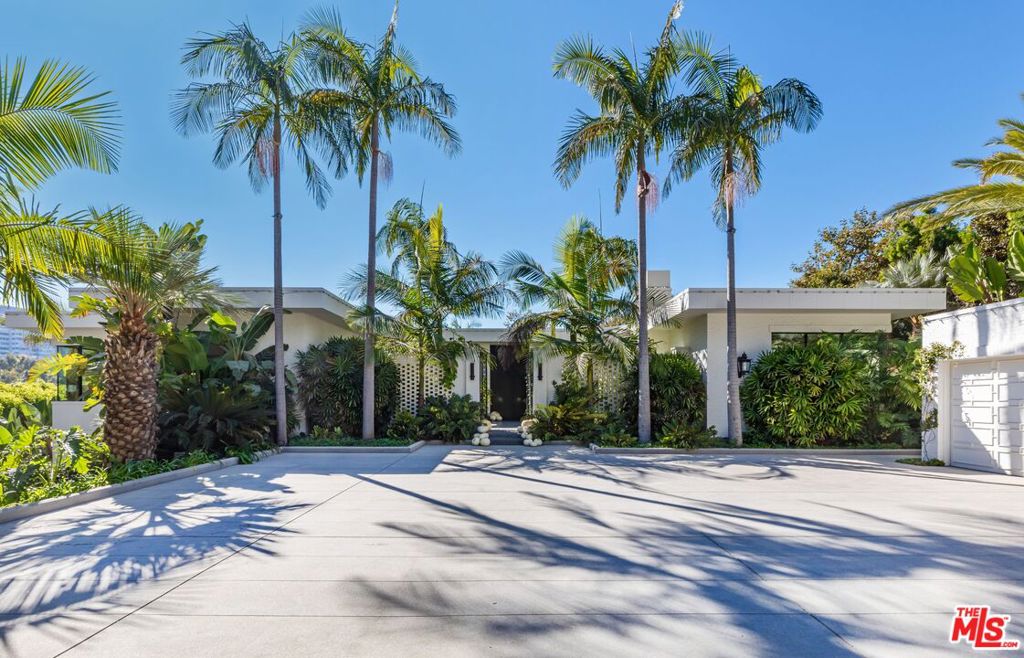
Notable: Gmurzynska Gallery Los Angeles, Perelman Arts Center (Associate Architect), Shepherd's HouseWebsite

Steven Fernandez

1988–present

Contemporary Modernism, Sustainable Design, Adaptive Reuse

Steven Fernandez, AIA, is the principal of Steven Fernandez Architects, a firm with offices in Long Beach and Marin County established in the late 1980s. A 1985 graduate of SCI-Arc with an MFA from Otis College of Art and Design, he previously worked with modernist architect Edward R. Niles. His practice focuses on contemporary residential design, historic preservation, and adaptive reuse, emphasizing natural light and coastal site integration.

Notable: Park Avenue Residence, Long Beach Historic Preservation Projects, Malibu Coastal EstatesWebsite

Peter Damm

1920–1964

Spanish Colonial Revival, Mediterranean Revival

Peter Damm (1893–1964) was a Danish-born architect who became a prominent designer of luxury residences in Los Angeles during the 1920s and 1930s. He specialized in the Spanish Colonial Revival style, contributing significant estates to neighborhoods like Glendale, Los Feliz, and the Hollywood Hills. His work is characterized by authentic Mediterranean craftsmanship, including hand-carved stone fireplaces and vaulted arched transitions.

Notable: Lorelei Estate (Glendale), Damm House (Los Feliz), 2101 North Los Feliz BlvdProfile

Jim Schmidt

2004–present

Modernism, Residential Modern, Geometric Modernism

James Schmidt, AIA, is a Los Angeles architect who founded Schmidt Architecture in 2004 after practicing in Southern California for over two decades. His modernist residential designs are heavily inspired by the work of Richard Neutra and John Lautner, focusing on open floor plans and dramatic site orientations. He has received numerous AIA design awards for his site-specific glass houses and custom hillside estates.

Notable: 13341 Mulholland Drive (Glass House), Mirada Estates Residence (Rancho Mirage), 1435 Oriole Drive, 880 Park LaneWebsite

Thomson Naylor

1985–present

Sustainable Architecture, Santa Barbara Vernacular, Modernist

Founded in 1985 by Dennis Thompson and Susette Naylor, this Santa Barbara-based firm is a pioneer in sustainable, energy-efficient architecture. Both principals are LEED Accredited Professionals recognized for integrating environmental technology with regional Santa Barbara vernacular and contemporary design. The firm specializes in residential and institutional projects throughout the Central Coast and Malibu.

Notable: Victoria Garden Mews, Santa Barbara Hillel, Deer Creek Ridge, Loop/QAD, La Casa de MariaWebsite

Ron Hoover

1960–2015

Mid-Century Modern, Beachfront Contemporary, Organic Modernism

Active in Southern California for over four decades, Ron Hoover is known for his work in coastal residential design and modern renovations. He specialized in geometric, multi-story waterfront properties and sensitive additions to mid-century modern residences in Silver Lake and Orange County. His work is characterized by a commitment to site-specific orientation and clean, modern lines.

Notable: 2364 West Silver Lake Drive, 260th Place, 17005 South Pacific AvenueWikipedia

Roger Kurath

Auto-discovered

1960–2000

Mid-Century Modern, International Style

Roger Kurath was a Swiss-born architect who became a significant figure in Southern California modernism after relocating to the region. He is best known for his commitment to functionalist principles and his ability to integrate modern building materials with the unique topographical demands of the Los Angeles landscape. Throughout his career, he emphasized clean lines and an open floor plan, contributing substantially to the evolution of the post-war residential architecture that defines much of the city's suburban character.

Notable: Kurath Residence, Various residential commissions in West Los AngelesWikipedia

Jamie Bush

Auto-discovered

2002–present

Organic Modern, Mid-Century Preservation

Jamie Bush is a prominent Los Angeles-based interior and architectural designer known for his sophisticated approach to modern living. His practice focuses on the seamless integration of mid-century architectural DNA with contemporary organic materials, resulting in spaces that feel both historic and forward-thinking. Bush has gained widespread recognition for his work on iconic Southern California properties, where he balances structural restoration with refined, tactile interiors that emphasize light, texture, and environmental connectivity.

Notable: Kaufmann Desert House restoration, private residences in Bel Air and MalibuWebsite

Hugh Newell Jacobsen

Auto-discovered

1958–2021

Modernism, Pavilion Style

Hugh Newell Jacobsen was a highly influential American architect celebrated for his disciplined, minimalist interpretation of vernacular forms. While his career spanned international projects, his impact on residential architecture is marked by his use of simple, pavilion-like structures, pristine white walls, and repetitive gabled roof forms. His work in Southern California and beyond demonstrated a commitment to geometric clarity and an honest expression of materials, setting a high standard for modern residential design that remains influential today.

Notable: The Miller House, The American Institute of Architects' headquarters, various private residencesWikipedia

Tyler Construction

Auto-discovered

1920–1960

Period Revival, Minimal Traditional

Tyler Construction was a prominent development and building firm active in Los Angeles during the early to mid-20th century. They were primarily known for their large-scale residential tracts and speculative housing developments, which played a critical role in the rapid suburban expansion of the region. Their work often balanced affordability with the popular architectural aesthetics of the time, shaping the character of various neighborhood developments across the Greater Los Angeles area.

Notable: Various residential tracts in the San Fernando Valley, Suburban housing developmentsWikipedia

Steven Gambrel

Auto-discovered

1996–present

Modern Traditional, Transitional, Eclectic

Steven Gambrel is a prominent New York-based interior designer known for his sophisticated, highly tailored aesthetic that draws heavily from architectural history and classic proportions. While primarily an interior designer, his work frequently involves extensive structural renovations and residential projects that significantly influence the architectural character of luxury homes, including high-profile commissions in Los Angeles. His style is characterized by a refined balance of tradition and modernity, utilizing rich textures, custom millwork, and a sophisticated color palette to create timeless living spaces that emphasize craftsmanship and understated elegance.
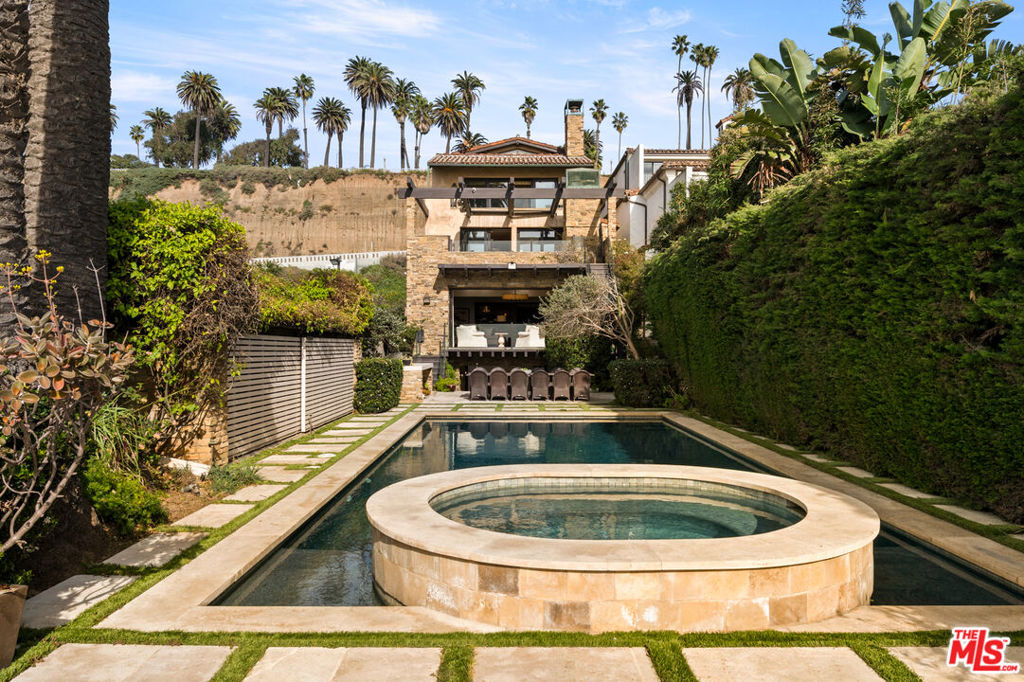
Notable: Hamptons residences, Manhattan townhouses, Los Angeles estatesWebsite

Martyn Lawrence Bullard

Auto-discovered

2002–present

Maximalist, Exotic, Luxury

Martyn Lawrence Bullard is a globally renowned Los Angeles-based interior designer known for his sophisticated, glamorous, and often maximalist aesthetic. Since establishing his firm in 2002, he has become a celebrity favorite, recognized for his ability to blend diverse global influences, vibrant textiles, and rich textures into high-end residential and hospitality projects across Southern California and beyond. His work is frequently featured in major design publications for its bold personality and meticulous attention to detail, cementing his influence on contemporary luxury living in Los Angeles.
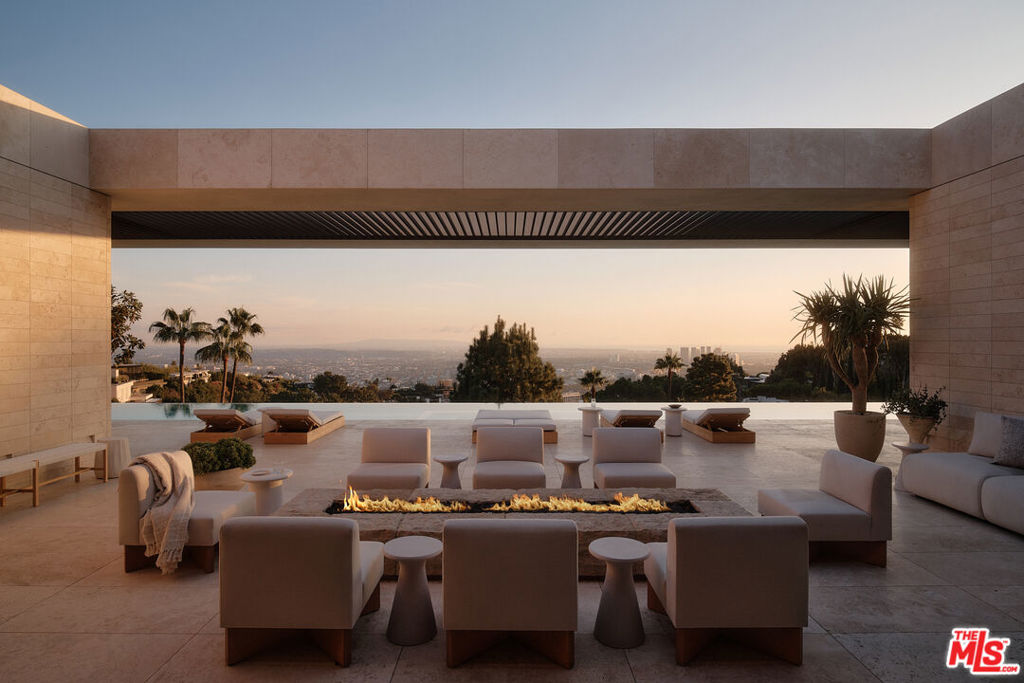
Notable: Colony Palms Hotel, Casa El Cid, Various celebrity residencesWebsite

Ed Niles

Auto-discovered

1960–present

High-Tech, Modernist, Expressionist

Ed Niles is a prolific Southern California architect known for his innovative use of steel and glass, often creating dramatic residential structures that blend high-tech aesthetics with natural landscapes. His designs frequently feature complex geometry, soaring open spaces, and extensive use of transparent materials to dissolve the boundary between indoors and outdoors. Niles has left a significant mark on the Malibu coastline and surrounding regions, crafting homes that act as sculptural objects within their rugged environmental contexts.

Notable: The Glass Pavilion, The Niles Residence, The Malibu Road House

William M. Bray

Auto-discovered

1915–1945

Spanish Colonial Revival, Mediterranean Revival

William M. Bray was an architect primarily recognized for his contributions to the residential landscape of Los Angeles during the early 20th century, particularly within the Spanish Colonial Revival and Period Revival movements. His work is often characterized by meticulous attention to traditional detailing, stucco finishes, and the romantic architectural motifs that defined the suburban expansion of Southern California. Though less documented than his contemporaries, his designs represent the quintessential aesthetic of the 1920s development era in Los Angeles neighborhoods.

Notable: Various residences in Hancock Park, Beverly Hills homesWikipedia

Noa Santos

Auto-discovered

2010–present

Modern, Minimalist, Luxury Residential

Noa Santos is a contemporary interior designer and founder of the design firm NAINOA, known for his modern, client-focused approach to luxury residential spaces in Los Angeles. His work emphasizes architectural integrity, warm minimalism, and a sophisticated blend of texture and light that complements the Southern California lifestyle. Before establishing his independent practice, he co-founded Homepolish, a startup that democratized interior design services. Today, he is recognized for creating bespoke environments that harmonize contemporary aesthetics with the specific historical and environmental context of Southern California architecture.
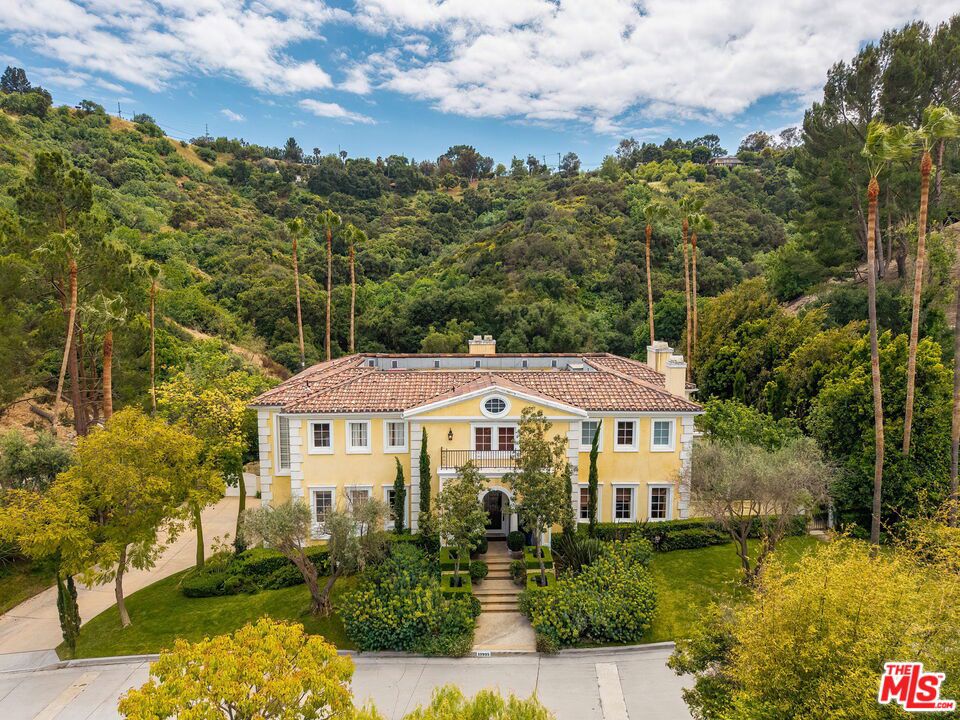
Notable: Various high-end residential estates in West Hollywood and Beverly HillsWebsite

Marshall Lewis

Auto-discovered

1940–1970

Mid-Century Modern, Post-and-Beam

Marshall Lewis was a prominent mid-century Los Angeles architect known for his contributions to the development of the contemporary residential landscape in Southern California. Working primarily during the post-war building boom, Lewis excelled in adapting Modernist principles to the practical requirements of the American suburban home, often emphasizing open floor plans, indoor-outdoor connectivity, and the strategic use of glass to maximize natural light. His designs are frequently cited for their sophisticated use of post-and-beam construction and their integration into the rugged hillside topography of areas like the Hollywood Hills and Pacific Palisades.

Notable: Marshall Lewis Residence, various Hollywood Hills ResidencesWikipedia

Carlyle Designs

Auto-discovered

2007–present

Contemporary Luxury, Modern, Minimalist

Carlyle Designs is a prominent Los Angeles-based interior and architectural design firm led by Jordan Carlyle, known for a sophisticated, luxury-focused aesthetic. The firm specializes in high-end residential projects that blend contemporary elegance with timeless structural refinement, often characterized by bold geometric shapes and opulent material palettes. Their influence on the Southern California landscape is defined by an emphasis on bespoke detailing, seamless integration of interior flow, and a distinctly curated approach to modern living environments in prestigious neighborhoods throughout Los Angeles.
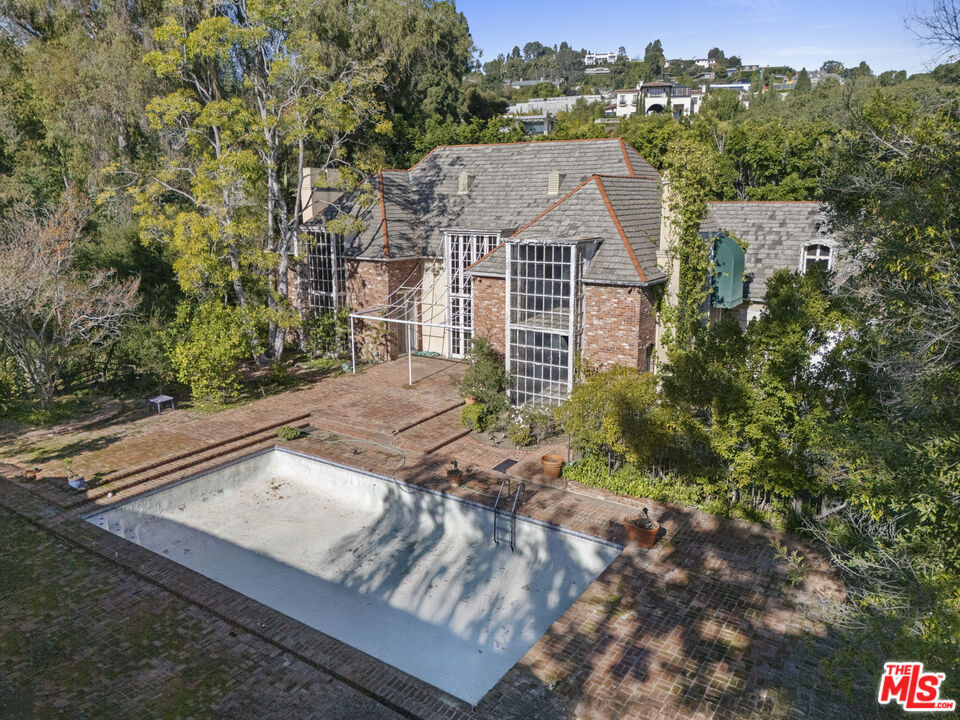
Notable: Beverly Hills Residential Estate, Bel Air Modern Residence, Malibu Coastal RetreatWebsite

Thomas Juul-Hansen

Auto-discovered

2003–present

Contemporary, Luxury Modern, Bespoke

Thomas Juul-Hansen is an internationally acclaimed architect and interior designer known for his refined, bespoke approach to residential and hospitality architecture. While his firm maintains a global presence, his work in the Los Angeles area is marked by a rigorous attention to detail, exceptional craftsmanship, and a seamless fusion of luxury materials. His designs frequently challenge traditional notions of space, creating immersive environments that cater to high-end clients through a sophisticated, understated aesthetic that emphasizes texture and volume.

Notable: One57 Interiors, 505 West 19th Street, Various LA Private ResidencesWebsite

XTEN Architects

Auto-discovered

2000–present

Contemporary, Minimalist, Modern

Founded by Monika Haefelfinger and Austin Kelly, XTEN Architects is a Los Angeles-based firm recognized for their sophisticated, minimalist approach to contemporary residential design. Their work often emphasizes the integration of interior and exterior spaces, utilizing expansive glass walls and precise geometric forms to frame dramatic views of the Southern California landscape. By focusing on sustainability and the interplay of light and shadow, they have established themselves as prominent figures in modern luxury residential architecture across the Los Angeles basin.

Notable: Openhouse, Nakahouse, Obsidian HouseWebsite

KAA Design Group

Auto-discovered

1988–present

Contemporary, Modern, Sustainable

Established by Grant Kirkpatrick, KAA Design Group has cultivated a reputation for creating warm, environmentally conscious residences that honor the Southern California lifestyle. Their architectural practice blends modern sensibility with a deep respect for natural materials, emphasizing indoor-outdoor living through curated gardens and seamless transitions between architectural zones. As a major force in the Los Angeles residential scene, the firm is known for crafting private sanctuaries that prioritize comfort, luxury, and a harmonious connection to the surrounding environment.
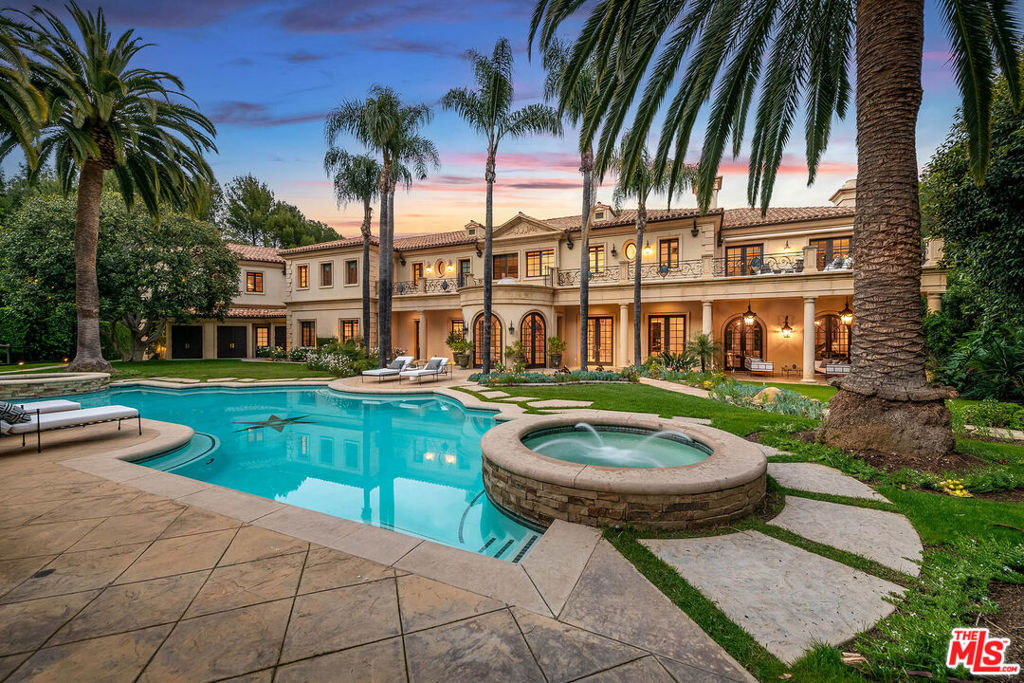
Notable: The Treehouse, Malibu Residence, Venice Beach ResidenceWebsite

Doug Burdge

Auto-discovered

1980–present

Contemporary, Modern Coastal, Ranch Revival

Doug Burdge is a prominent Malibu-based architect celebrated for his sophisticated residential designs that seamlessly integrate modern luxury with the natural California landscape. His work frequently features an indoor-outdoor approach, utilizing expansive glass walls and natural materials to capture the spirit of coastal living while maintaining strict environmental considerations. Burdge has become a leading figure in high-end residential architecture across Southern California, known for his refined aesthetic and deep expertise in navigating the unique site constraints of Malibu's rugged terrain.
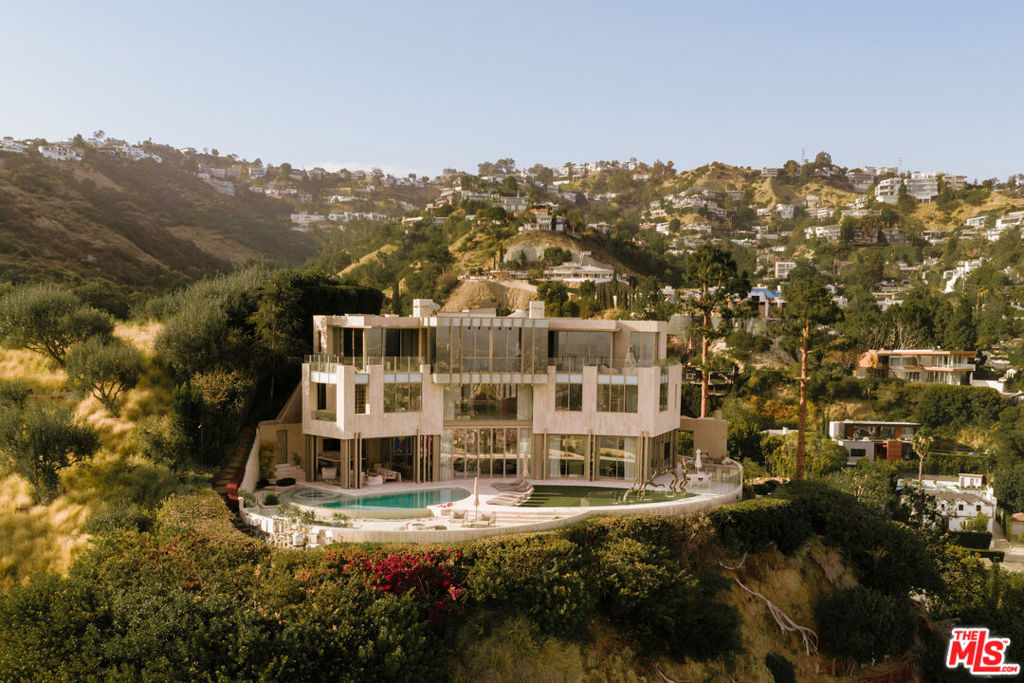
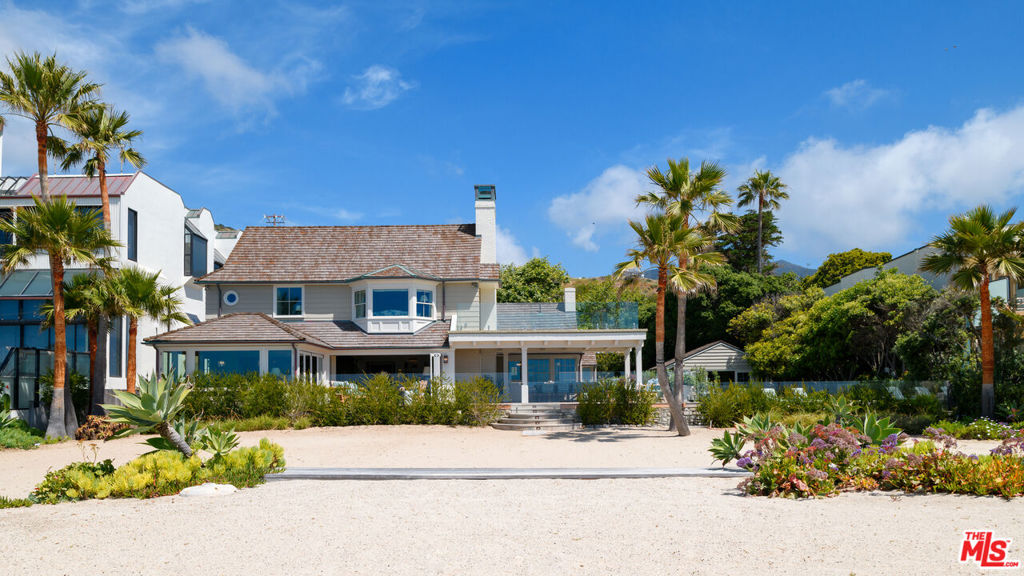
Notable: The Malibu Farm, Broad Beach Residence, Various Malibu EstatesWebsite

Luis Ortega and Jose Fernandez

Auto-discovered

1950–1965

Mid-Century Modern, Ranch Style

Luis Ortega and Jose Fernandez were a collaborative architectural duo active in mid-century Los Angeles, known primarily for their contributions to residential developments in the San Fernando Valley and surrounding areas. Their work often emphasized practical, modern living solutions, blending functional layouts with the aesthetic trends of the post-war period. While they operated with a relatively low profile compared to the marquee architects of the time, their designs reflect the rapid expansion and domestic architectural vernacular that defined the suburban landscape of Southern California during the mid-20th century.
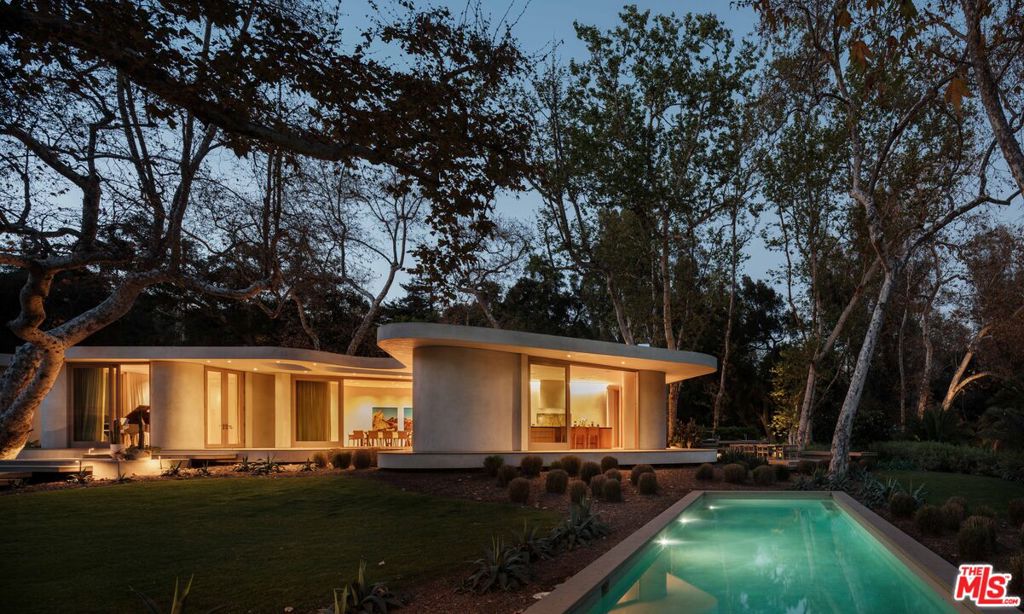
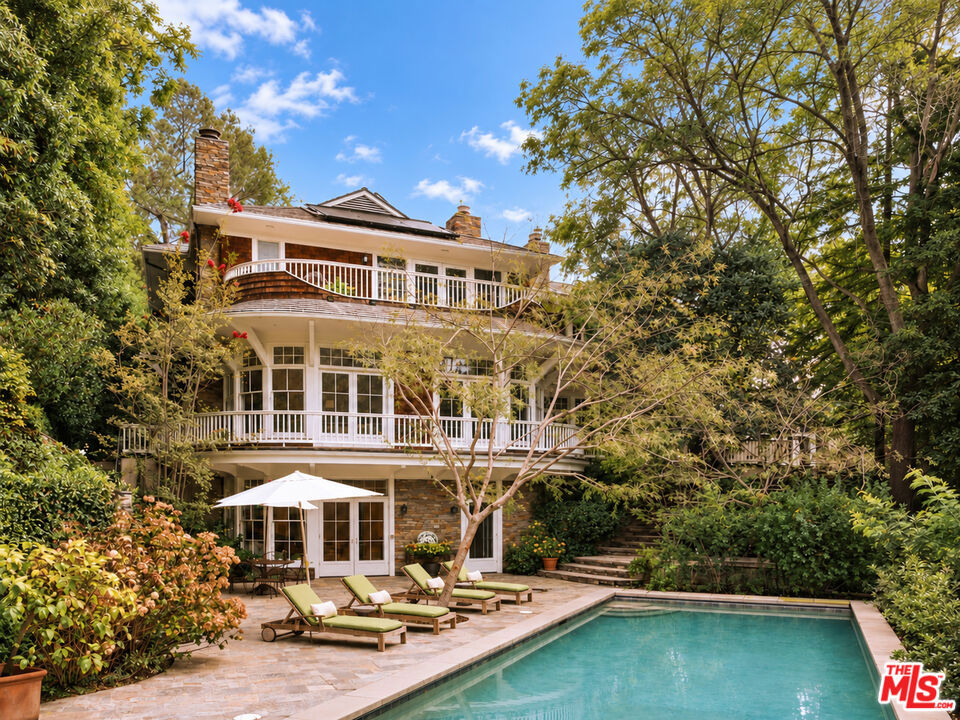
Notable: Residential developments in Studio City, Custom residences in EncinoWikipedia

Jose Fernandez

Auto-discovered

1985–present

Modernist, Contemporary

Jose Fernandez is a versatile architect based in Southern California known for his sensitive approach to multi-family and residential design. His practice often addresses the complexities of modern urban living through innovative site planning and the strategic use of natural light and ventilation. By prioritizing the user experience and the socio-economic context of his sites, Fernandez has contributed to the diverse architectural fabric of the Los Angeles basin.

Notable: Multi-family residential developments in Los Angeles, private commissionsWikipedia

Amir Farr

Auto-discovered

1995–present

Contemporary, Modern Minimalism

Amir Farr is a contemporary architect noted for his minimalist approach to high-end residential design throughout the greater Los Angeles area. His work is characterized by clean lines, a seamless integration of indoor-outdoor living spaces, and an emphasis on raw, modern materials that reflect the demands of the Southern California climate. Farr has established himself as a proponent of modern luxury, creating structures that are both aesthetically striking and functionally intuitive for modern clients.

Notable: Various high-end residences in Beverly Hills and Bel AirWikipedia

Sylvanus Marston

Auto-discovered

1908–1946

Craftsman, Mediterranean Revival, Colonial Revival

Sylvanus Marston was a pivotal figure in the development of early 20th-century Pasadena architecture, often working in partnership to define the region's elite residential aesthetic. His designs masterfully balanced the warmth of the Craftsman tradition with the structured elegance of period revival styles, contributing significantly to the architectural identity of the Arroyo Seco area. As a foundational member of the local design scene, his work remains highly sought after for its craftsmanship and historical integrity.

Notable: Throop Memorial Church, Marston House, Fenyes Estate

Garrett Van Pelt

Auto-discovered

1910–1950

Mediterranean Revival, Spanish Colonial Revival, Tudor Revival

Garrett Van Pelt was a distinguished Pasadena-based architect known for his sophisticated command of historical revival styles that defined the upscale residential neighborhoods of Southern California. Often collaborating with Sylvanus Marston, he brought a refined eye for proportion and period detailing to his projects, elevating the standard for domestic luxury. His legacy is etched into the landscape of Pasadena, where his work continues to exemplify the grand architectural heritage of the pre-war era.

Notable: Pasadena Public Library (collaborator), various private estates in Oak Knoll

Luis Ortega

Auto-discovered

1990–present

Contemporary, Adaptive Modernism

Luis Ortega is a recognized designer and architect whose work focuses on the intersection of cultural heritage and contemporary functionality. Primarily active in the urban landscape of Los Angeles, Ortega's projects often emphasize spatial efficiency and the adaptation of traditional materials for modern structural applications. His contributions reflect an evolving Southern California dialogue regarding urban density and the preservation of distinct regional identity in residential architecture.

Notable: Urban infill residences in East Los AngelesWikipedia

Architect biographies sourced from the Los Angeles Conservancy. New architects are continuously being added.